Solana has established a physical presence in China's financial hub, drawing attention from Binance founder Changpeng Zhao.
Solana opened a new office in Shanghai on October 14, marking a first for a major blockchain ecosystem. The foundation also showcased its brand on a giant LED display on the city skyline, giving crypto an unusually visible presence in mainland China.
Vibhu Norby, Chief Product Officer at the Solana Foundation, highlighted the office's location, saying Solana now occupies the highest commercially available office space in the world.
Rachel Conlan, the foundation's Chief Strategy Officer, also shared images from the opening and described the community's energy in Shanghai as “incredible”.
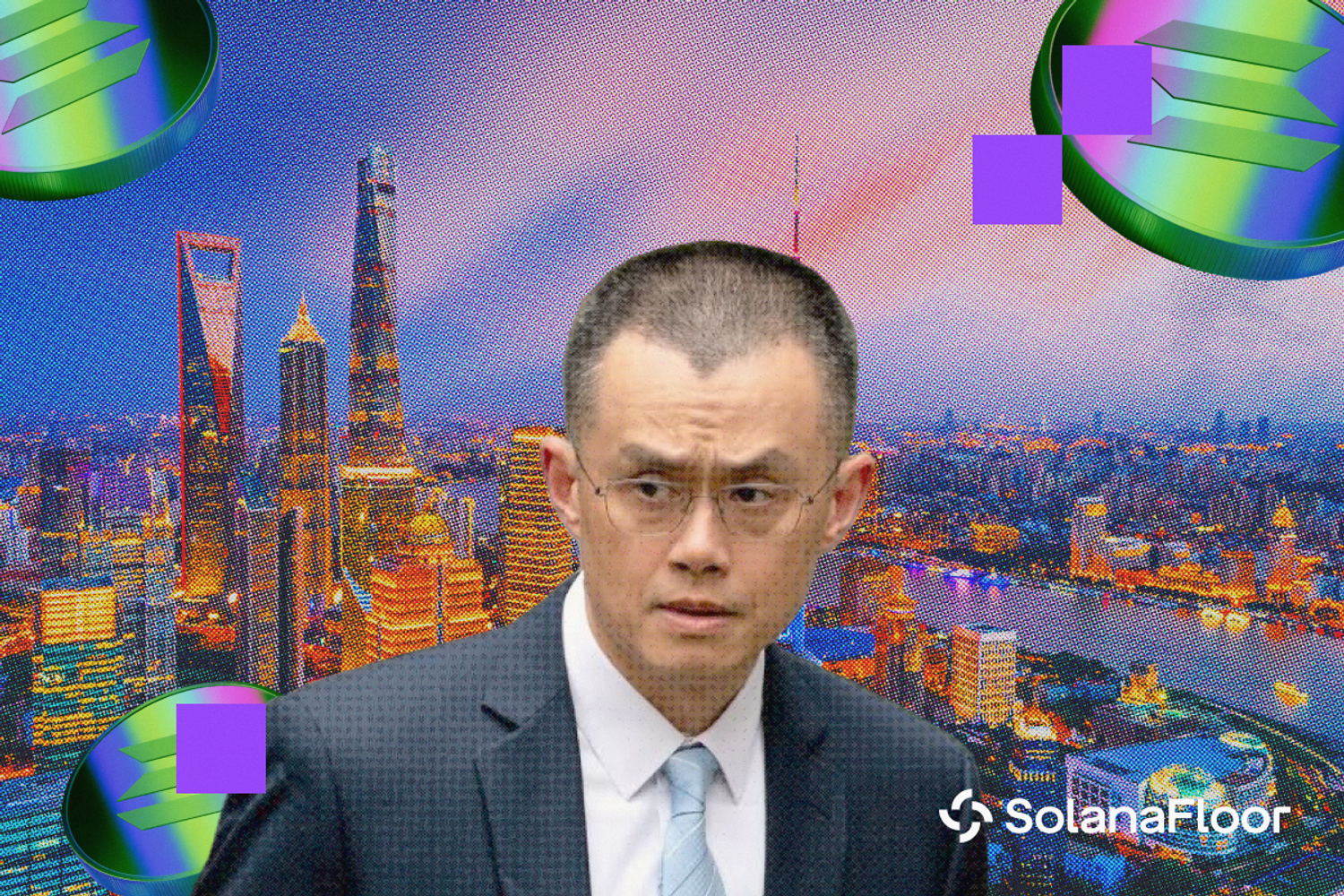
The move attracted attention from Binance founder Changpeng “CZ” Zhao, who noted that BNB Chain had not managed a similar expansion into China. "It's amazing to see that Solana was able to advertise and even get an office in China," Zhao wrote on X. "BNB Chain was not able to do this, so far."
He added that he hoped “what's good for one industry player” would benefit the wider industry.
How Solana Is Navigating China's Crypto Restrictions
Solana's presence in Shanghai stands out because mainland China has maintained strict restrictions on cryptocurrency trading and related financial activities since 2021.
However, the country's restrictions on crypto speculation do not amount to a blanket ban on blockchain technology. Chinese authorities continue to support blockchain infrastructure and other technology initiatives, creating a distinction between developing the underlying technology and promoting cryptocurrency trading.
Solana's recent activities in China appear to follow that distinction. Earlier in March, Solana launched the Shanghai Builder Station at the Alibaba Center in Hongqiao, with support from the Minhang District. The initiative positioned the location as a collaborative base for developers working on Layer 1 infrastructure and applications, rather than directly promoting crypto trading.
Community commentary has since highlighted Solana's emphasis on AI agents, robotics, Physical AI, developer collaboration, and hardware supply chains as a way to engage Chinese technology professionals while avoiding an emphasis on tokens, memecoins, and speculative trading.
However, the distinction does not eliminate regulatory risk. Chinese community members have raised concerns about the visibility of Solana's branding and the possibility of stricter scrutiny. One account also reported restrictions on related $SOL content on Douyin, China's video-based social media platform.
.
Solana Accelerate China Heads to 4 Cities
The Shanghai office opening comes just ahead of Solana Accelerate China, a series of events scheduled to connect Chinese developers, founders and investors with the wider Solana ecosystem.
The schedule includes Shanghai on October 16, Hangzhou on October 18, Shenzhen on October 20, and Beijing on October 22. The tour gives Solana an opportunity to build relationships with China's tech community, particularly developers working across AI, robotics, and blockchain infrastructure.
Solana's Shanghai presence also gives the foundation a physical base for engaging with local builders beyond individual conferences and community gatherings.
What Solana's China Expansion Means
Solana's new office and high-profile advertising represent a notable step for a blockchain ecosystem operating in a country with strict cryptocurrency restrictions. CZ's reaction further highlights how unusual the development appears within the industry.
Still, a physical office and a prominent advertising display do not establish that Chinese authorities have relaxed their position on cryptocurrency. Solana's longer-term progress in the region will depend on its ability to maintain local relationships, support technology development, and navigate the country's regulatory boundaries.
Read More on SolanaFloor
Squads Tests Post-Quantum Signing on Solana Mainnet as Crypto Security Debate Intensifies
Alpenglow Mainnet Activation Set for October 21 - Here’s What You Need to Know
Jito CEO Says The End of CEXs is Closer Than You Think