“Onları Yörüngeden Yok Edin”: Yakovenko, Solana’nın Geride Kalanlarını Kınadı
Ağ, slot gecikmesini nasıl önleyebilir?
- Yayımlandı:
- Düzenlendi:
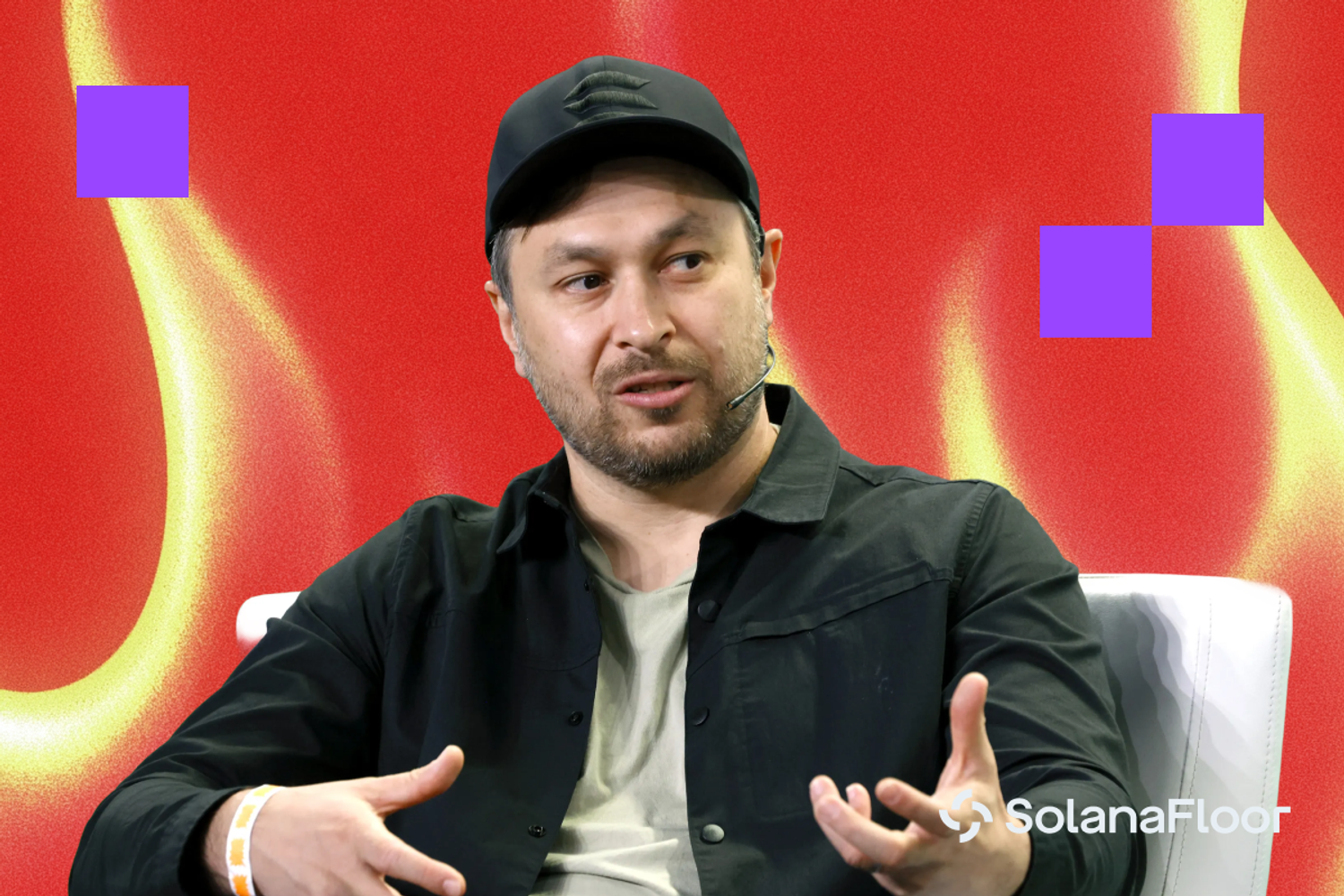
Solana Labs’ın kurucu ortağı Anatoly Yakovenko, ağdaki küçük bir grup doğrulayıcının suistimallerini kınayarak, “onları yörüngeden yok etmek” ve suçlu tarafların protokol yönetişimine katılmasını engellemek çağrısında bulundu.
Corvus Labs’tan Andrei Vacariu, DeFi Development Corporation’ı ağın en bariz “lagger”larından biri olarak gösterdi; “lagger”, daha fazla ödül kazanmak amacıyla zinciri kasten yavaşlatan doğrulayıcıları tanımlamak için kullanılan bir terimdir.
Bu tartışma, Solana’nın ağ ölçeklenebilirliğini artırmak amacıyla devam eden bir yükseltme kapsamında 200 ms’lik slot sürelerine doğru ilerlerken ortaya çıktı.
Yakovenko, Geride Kalanlara Saldırdı
Solana’nın bant genişliğini artırmak ve gecikmeyi azaltmak için gösterdiği tüm çabalara rağmen, bazı doğrulayıcı operatörleri kendi mali çıkarları için ağı yavaşlatmaya devam ediyor. Doğrulayıcılar, slot sürelerini kasıtlı olarak geciktirerek daha fazla işlem yakalayabiliyor ve daha yüksek getiri elde edebiliyor.
Yakovenko ve diğer bazı ağ liderleri, bu uygulamayı daha önce kınamış, bunun Solana’nın hedeflerine ters düştüğünü savunmuş ve stake havuzu operatörlerinin kurallara uymayanları kara listeye almasını önermişti.
Toly, 2025'te yaptığı “onları yörüngeden yok edin” çağrısını tekrarlayarak, slot geciktiricilerine yönelik hoşnutsuzluğunu bir kez daha açıkça ortaya koydu ve suçluların ağ yönetişimine katılımının yasaklanmasını önerdi.
O zamandan beri çok sayıda ekosistem lideri Yakovenko’nun tutumunu desteklerken, bazıları ise kötü davranış sergileyen operatörleri caydırmak için sosyal baskıların ve Solana Vakfı’nın “yumuşak gücü”nün kullanılabileceğini öne sürdü. Diğerleri ise protokol düzeyinde teknik çözümlerin daha güçlü bir alternatif olacağını öne sürdü; buna karşılık Yakovenko, doğrulayıcıların nitelik kazanabilmesi için karşılanması gereken bir QOS standardı belirlenmesi önerisinde bulundu.
Solana’yı Kim Yavaşlatıyor?
Corvus Lab’dan Andrei Vacariu, Digital Asset Treasury şirketi olan DeFi Development Corp ile Araştırma ve Geliştirme firması Temporal’ın en büyük kamu suçluları arasında yer aldığını savunuyor.
Vacariu, DFDV dahil olmak üzere Temporal tarafından yönetilen doğrulayıcıların sürekli olarak yuvaları geciktirdiğini iddia ediyor. İddiaya göre, bu operatörler de tüketilip değiştiriliyor, ancak Temporal tarafından yönetilen daha büyük bir cüzdan kümesiyle bağlantılı oldukları düşünülüyor.
Benzer şekilde Vacariu, DeFi Development Corp.'un bu uygulamayı sürdürmek ve tespit edilmekten kaçınmak için isimsiz doğrulayıcılar devreye soktuğunu ileri sürüyor.
Corvus Labs araştırmacısı, bu doğrulayıcıların tek stakerının, Jupiter Lend döngü stratejileriyle stake'i katlanarak artırılan $dfdvSOL LST olduğu gerçeğine dikkat çekiyor.
Vacariu, o zamandan beri daha geniş Solana topluluğuna gelecekteki araştırma çalışmalarında hangi konuları ele alması gerektiğini sordu. Yakın zamanda yapılan bir ankete göre, ağ katılımcıları en çok özel emir akışı işlemleriyle ilgileniyor.
Solana, 200 ms'lik Slot Sürelerine Yaklaşıyor
Slot geciktiriciler finansal kazanç elde etmek için ağı kasıtlı olarak yavaşlatırken, Solana daha hızlı slotlara ve gelişmiş ağ ölçeklenebilirliğine doğru ilerlemeye devam ediyor. Ağustos sonunda ilk slot süresi azaltımını uyguladıktan sonra, ağ ikinci azaltımı da başarıyla tamamlayarak Solana’nın slot süresini hedef olan 300 ms’ye indirdi.
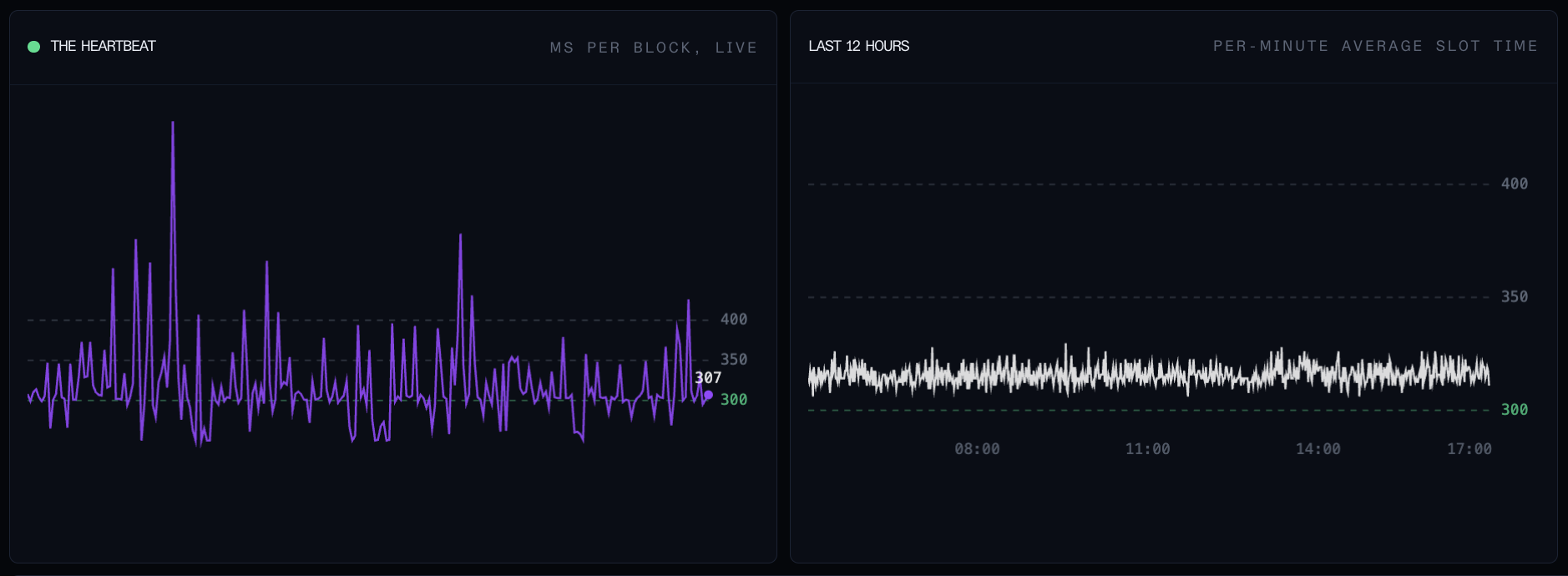
Zincir üstü verilere göre, şu anda dakikada ortalama slot süresi 316 ms civarında olup, 300 ms hedefine çok az kalmıştır. 200 ms nihai hedef olmaya devam etmekte olup, Anza bu hedefin iki uygulama daha gerçekleştirilmesiyle ulaşılmasını beklemektedir.
Ayrıca Anza, maksimum işlem boyutunu 1.232 bayttan 4.096 bayta çıkarmak ve böylece daha karmaşık zincir içi işlemler için kapasiteyi artırmak üzere tasarlanmış bir güncelleme olan Transaction v1'i duyurdu.
SolanaFloor'da Daha Fazlasını Okuyun
Sonunda CLARITY'yi elde edebilecek miyiz?
CLARITY Yasası: Yarınki Oylama Öncesi Nihai Metin, 126 Demokrat Talebini Karşıladı
Hard Hat Chad, Solana Weekly News’e Katıldı