Kamino Launches Institutional Commodity Yield Vault, Bringing $4.2T Market Onchain
Solana’s new Commodity Trade Financing vault targets 7-8% APY
- Published:
Commodity Trade Financing is coming onchain, with Solana DeFi OGs Kamino tapping into a $4.2T global market and aiming to give users 7-8% APY on their deposits.
The launch signals a growing maturity from Solana’s flourishing RWA scene, which is embracing an expanding class of TradFi yield products.
Through its new CTF vault, and collaborations with emerging yield assets like $AUTO, Kamino is asserting its position as Solana’s leading RWA credit market.
Kamino’s Institutional CTF Vault Targets 7-8% APY
On August 3rd, Kamino unveiled its new Institutional Commodity Yield Vault, a product designed to tokenize and distribute yield generated by real-world commodity trade financing. Launching with a $25M deposit cap, Kamino’s newest vault has a target APY of between 7-8%, tapping into a $4.2T market.
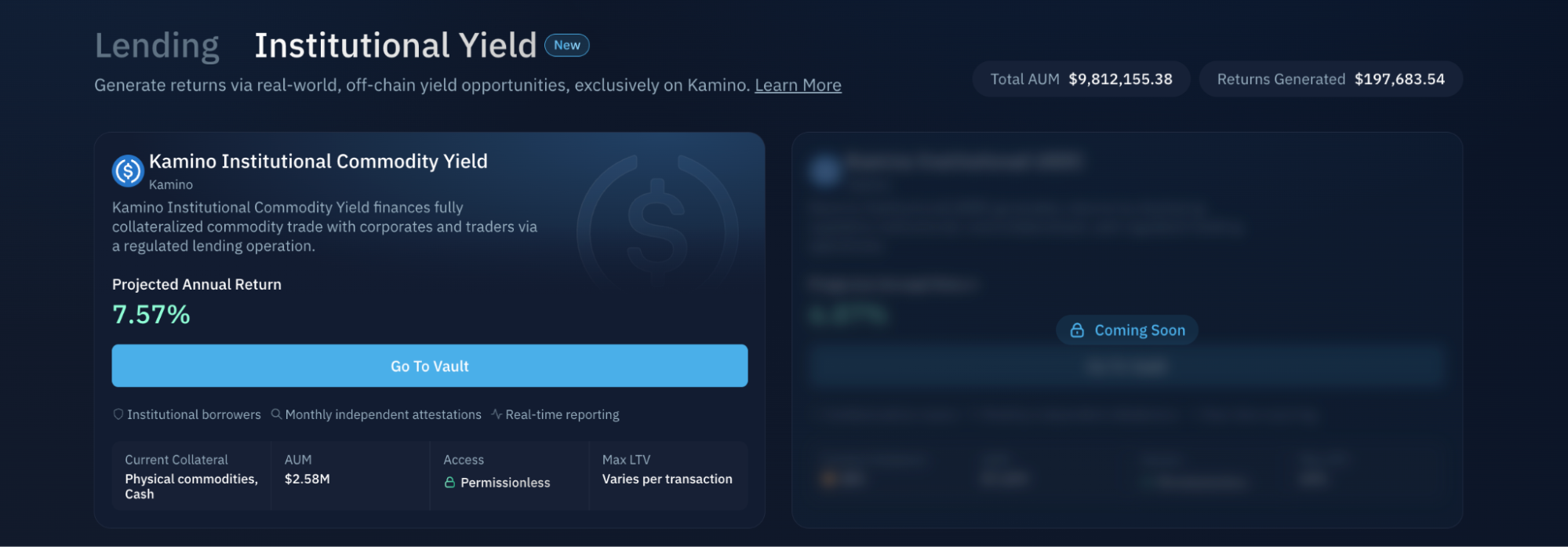
Continuing Kamino’s solid reputation as the network’s leading credit market, all Institutional Commodity Yield vaults are overcollateralized by physical commodities, and/or backed by cash at a 1:1 ratio.
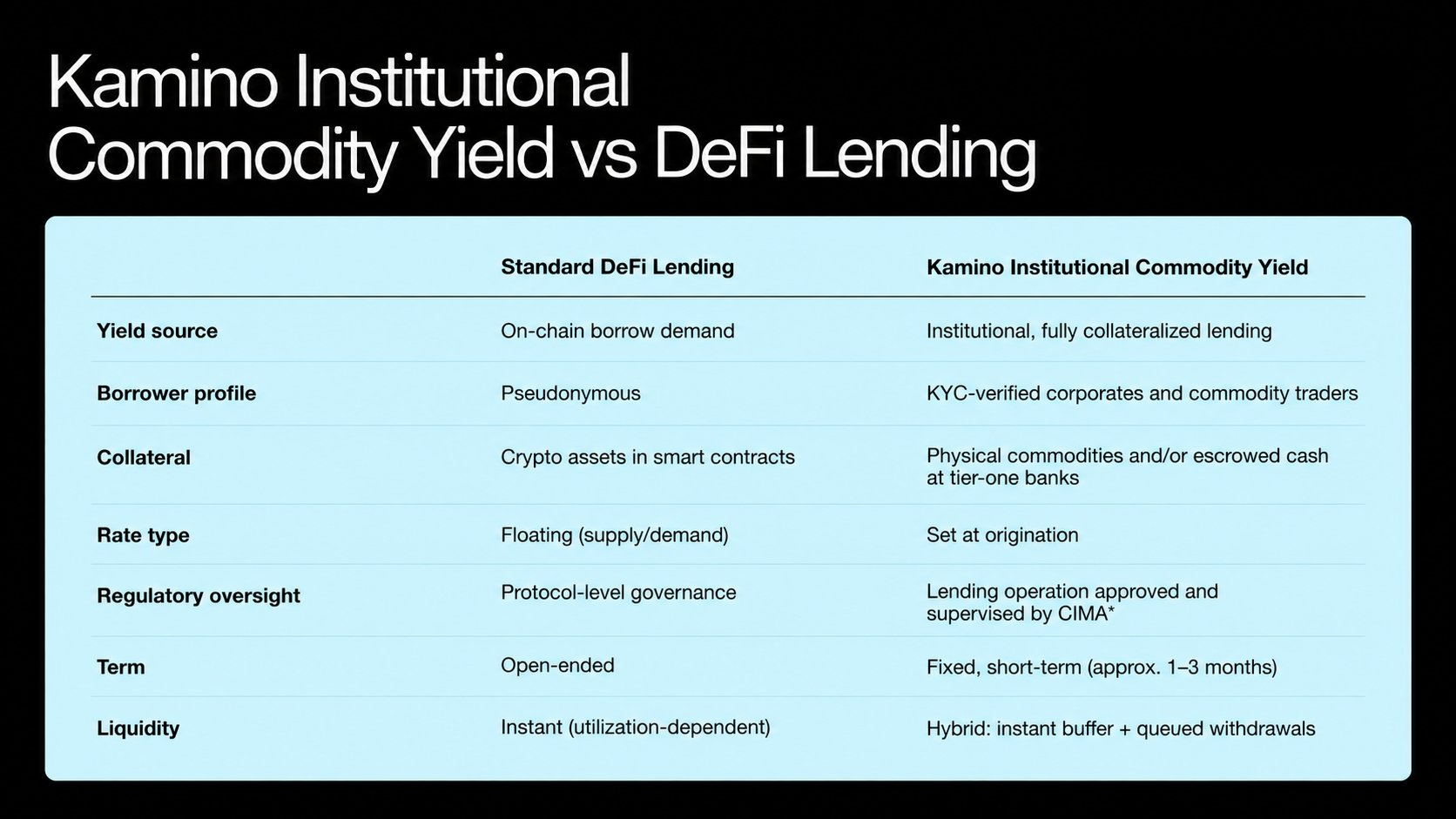
Unlike typical DeFi lending, Kamino’s new institutional vaults come with plenty of administrative oversight, as is required by the entities and players within trillion-dollar credit markets. All vaults are subject to monthly attestation reports from independent accounting firms, with the real-world financing entity (the Commodity Yield Fund) also reporting to the Cayman Islands Monetary Authority on a regular basis.
What is Commodity Trade Financing?
The first of many Institutional Yield products, Kamino’s Commodity vault sources yield from the settlement of the world’s most essential materials, ranging from obvious financial instruments like gold and oil to more obscure assets like wheat and coffee.
Unlike the derivatives markets that crypto users are familiar with, trading commodities at scale in the global economy is a complicated affair, involving several touchpoints and intermediaries who facilitate trade. Someone buying $10M worth of wheat, fuel, or steel is not going to simply sign an invoice and wait for goods to arrive.
A $4.2T industry, commodity financing solves the trust problem that exists when buyers and sellers need to wait a long time between ordering commodities and verifying their quality on the buy side, and releasing stock on the sell side.
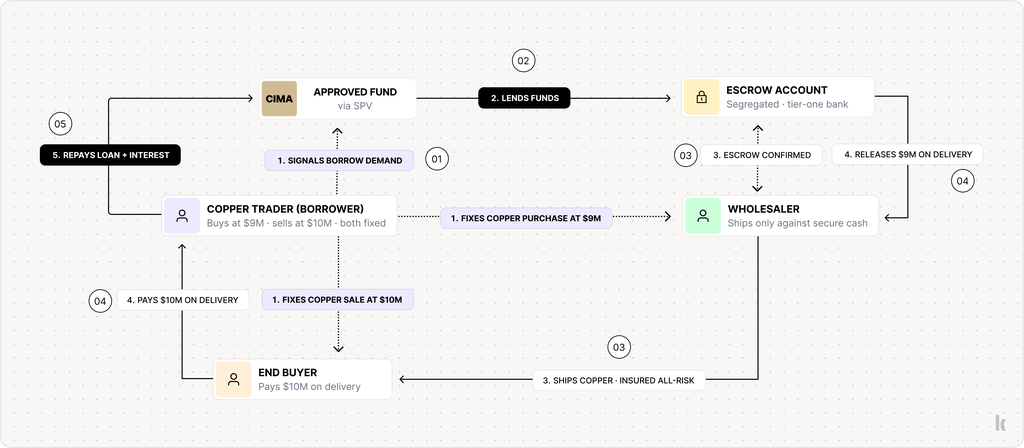
Traders bridge the settlement gap, acting as intermediary players who earn a spread while ensuring the deal is completed, including the relevant insurance and escrow services required. SPV wrappers, like the Commodity Yield Fund, act as lenders to these traders, earning interest on loans and distributing them to vault depositors.
RWA Markets Represent 31% of Kamino’s TVL
Solana’s largest lending market by TVL, Kamino’s RWA product suite is steadily becoming a critical part of its infrastructure. According to Blockworks data, over $387M worth of RWAs have been deposited to Kamino, representing 31% of the protocol’s total TVL.
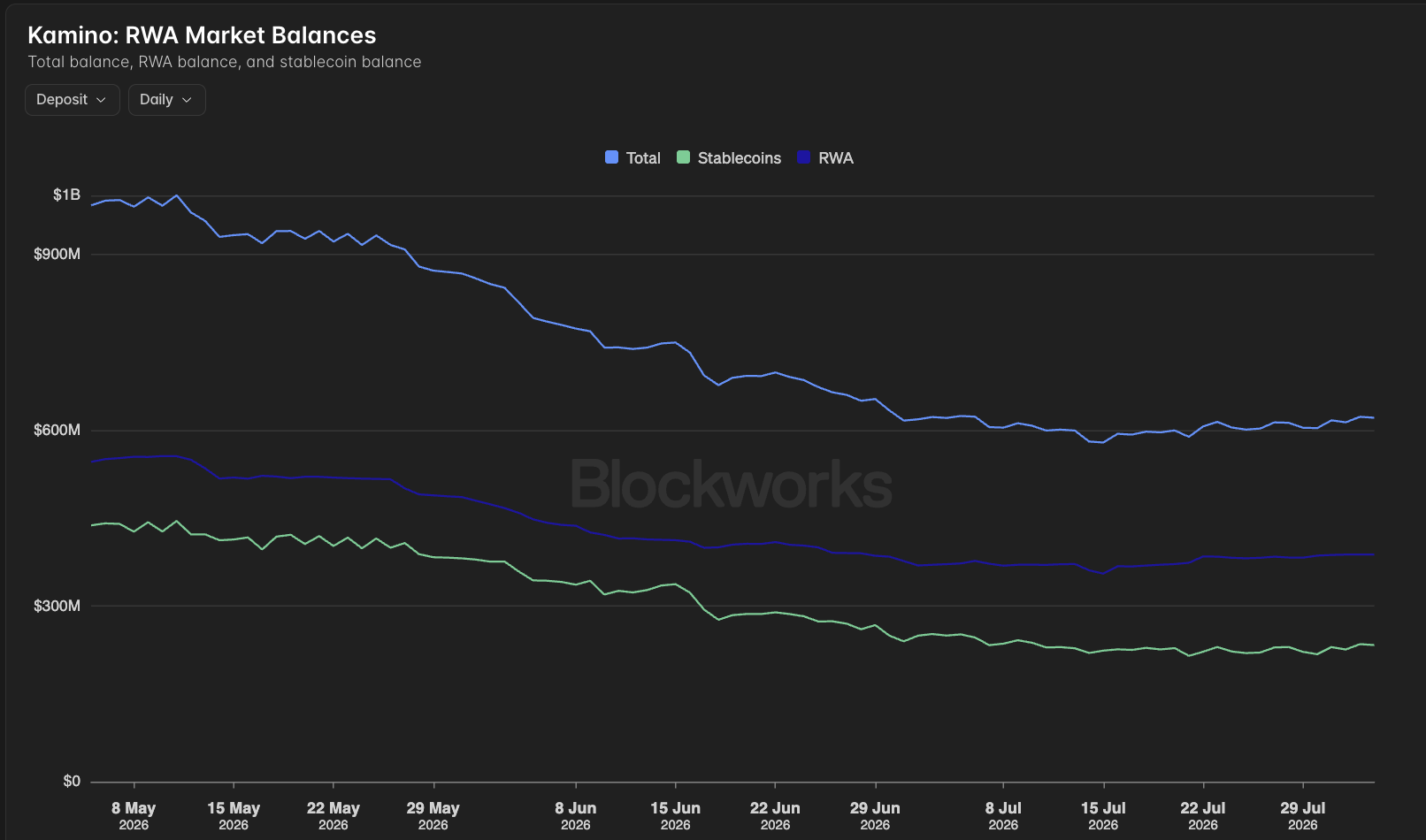
Kamino’s latest product coincides with growing demand for yield-based RWAs. RWA.xyz data suggests asset-backed credit and specialty finance tokens like Hastra’s $PRIME, OnRe’s $ONyc, and Huma’s $PST, constitute over $777M in TVL, representing 21% of Solana’s total RWA market.
Read More on SoanaFloor
Saylor is on track for three straight months of selling
Strategy Sells 1,637 $BTC to Bolster USD Reserves
Why is CLARITY Stuck?