Crypto Projects Pivot From Tokens to Equity as KAST and Claynosaurz Challenge the Traditional Playbook
Two prominent crypto projects now want users to share in the company's ownership rather than relying on the traditional token model.
- Published:
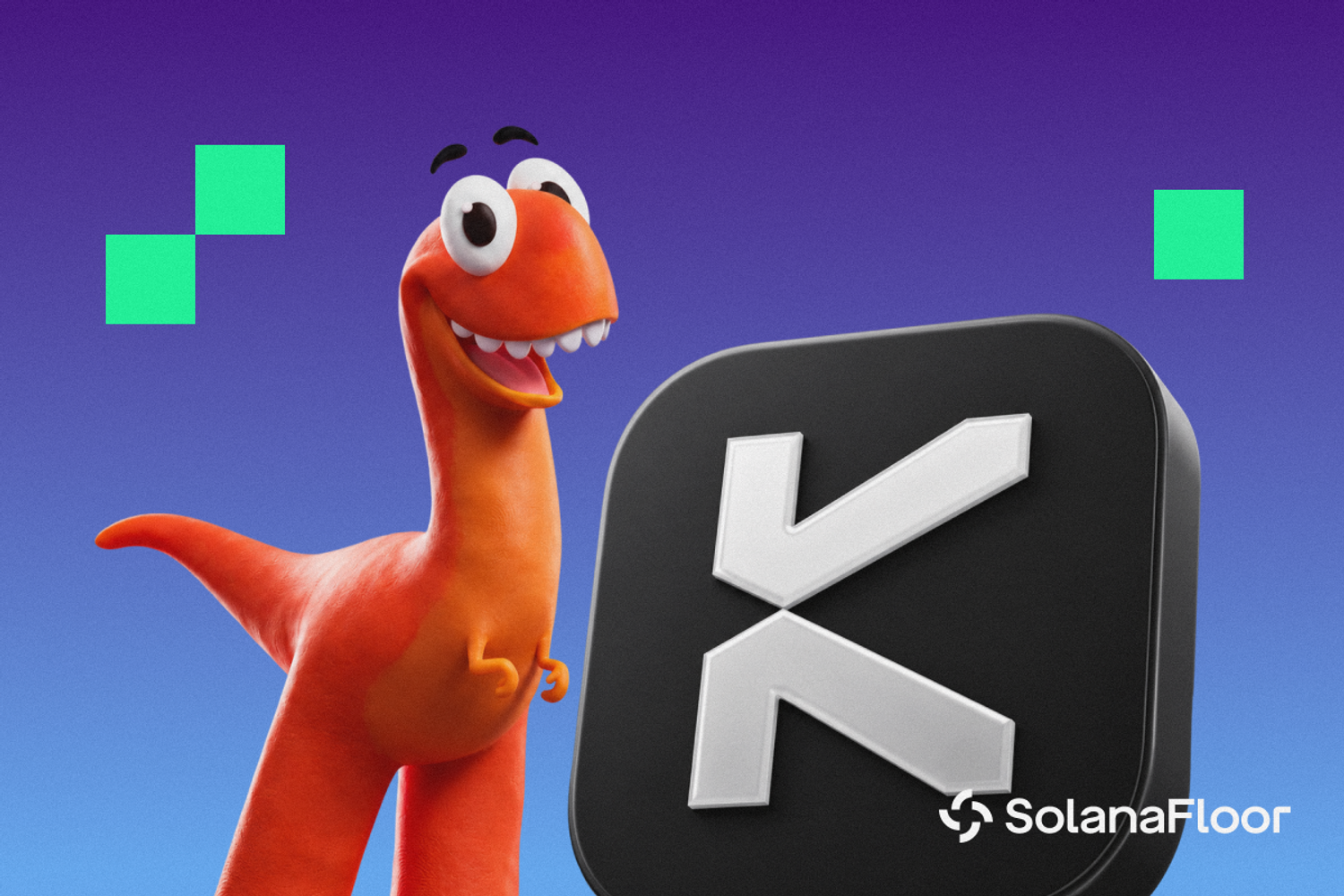
There seems to have been a shift in the crypto zeitgeist as both neobank KAST and NFT IP brand Claynosaurz have announced plans to reward their communities with equity rather than following the familiar path of launching tokens.
The rapid-fire announcements could mark an important shift for crypto projects that already operate as revenue-generating businesses. After years of criticism that token holders often fail to benefit from business success, some founders now appear willing to tie community incentives directly to company ownership.
KAST Plans to Convert Points Into Equity
Yesterday, July 2, KAST emailed users with meaningful point balances, saying it intends to convert those points into tokenized equity or a similar instrument tied to the company, rather than launching a traditional token. The company expects to provide more details in Q4.
According to the email, investors have already approved setting aside equity for community members. KAST currently plans to use a special-purpose vehicle, or SPV, to map equity allocations to users' points balances while the company completes the required legal and regulatory work.
The company said users with smaller balances could instead receive features such as spending redemptions, burn mechanisms, and periodic buybacks.
KAST Cofounder Raagulan Pathy later revealed that the platform's top 100 users each hold more than 1 million points, while nearly 10,000 users have accumulated at least 10,000 points.
He also emphasized that KAST never sold tokens or future token agreements to investors, with users earning points only by using the platform. According to Pathy, the company plans to convert the notional value of those points into an equity-linked instrument using the latest price paid by investors. He added that the community allocation represents a near 9-figure equity pool after dilution across the company's cap table.
Claynosaurz Quickly Follows
Hours later, Claynosaurz announced a similar initiative. The Solana-native IP and entertainment brand said it has reserved 15% of its equity options for eligible ecosystem holders. The project will launch an allocation checker next week, along with additional information on eligibility.
Cofounder and Chief Creative Officer Nicholas Cabana said the decision reflects years of support from collectors and community members who helped grow the brand through artwork, events, referrals, feedback, and content creation.
He acknowledged that offering equity requires navigating legal and regulatory hurdles, but argued that communities that help create value should have the opportunity to participate in that value.
A Growing Disconnect Between Revenue and Tokens
The announcements address a problem that has become increasingly visible across the crypto space. Most tokens do not give holders a direct claim on company revenue or cash flows. Regulatory uncertainty around securities laws has encouraged many projects to separate operating businesses from their tokens. As a result, companies often generate substantial revenue while token holders receive little direct economic benefit.
The gap has widened over the past year.
Hyperliquid stands out as a rare exception. The perps DEX has generated more than $1.1 billion in revenue, while its $HYPE token has also significantly outperformed expectations.
Many other projects tell a different story. Memecoin launchpad pump.fun has generated more than $1 billion in cumulative revenue, yet the $PUMP token has struggled, now trading over 60% below its ICO price of $0.004 despite the launchpad allocating revenue to buying back and burning over $400 million worth of the token so far. Jupiter has also built one of crypto's largest businesses, but its $JUP token has failed to mirror that operational success.
Could More Projects Follow?
KAST and Claynosaurs may offer an early glimpse of a different model for crypto incentives.
Projects that already resemble traditional businesses, with centralized teams, recurring revenue, and established products, may find equity structures easier to justify than standalone tokens that struggle to capture business value.
Read More on SolanaFloor
Solana Breaks Records Across Trading, Revenue, and Transactions in Q2 2026
Solana Launches Onchain Governance, Giving Stakers a Direct Voice in Protocol Decisions
Is The Whole World Now A Casino?