Raydium, one of the top 10 most influential DeFi protocols according to Fortune, debuted Permissioned AMMs yesterday, July 23. Permissioned AMMs introduce a new framework that enables issuers of KYC-gated and regulated assets to launch directly on Raydium, accessing Solana’s deepest liquidity while maintaining compliant secondary markets. Superstate became the first partner to integrate the infrastructure, bringing tokenized equities into Raydium’s liquidity ecosystem.
The launch marks another step in the race to build infrastructure for regulated assets on public blockchains. As tokenized stocks, funds, and real-world assets gain attention, protocols are adapting traditional DeFi tools to meet compliance requirements.
Raydium Adds Compliance Controls to AMM Trading
Traditional AMMs allow anyone with a wallet to provide liquidity or trade assets. That model works well for crypto-native tokens but creates challenges for regulated assets that require investor verification and transfer restrictions.
Raydium’s Permissioned AMMs add an access-control layer to its existing liquidity infrastructure. Instead of allowing any wallet to interact with a pool, the system verifies whether a wallet meets issuer-defined eligibility requirements before allowing trades.
The framework combines 3 core components:
-
Issuer-managed KYC, where asset issuers determine which participants qualify.
-
Programmatic enforcement, where smart contracts restrict pool interactions to approved wallets.
-
Immutable smart contracts, which provide transparent and verifiable execution.
Eligible investors can trade only with verified counterparties, while issuers maintain control over participant access.
Superstate Brings Tokenized Equities to Raydium
Superstate became the first service partner to integrate Raydium’s Permissioned AMMs. The company operates Opening Bell, a platform designed to issue publicly registered tokenized equities directly on blockchains.
Unlike synthetic products that track stock prices without representing direct ownership, Superstate focuses on natively tokenized securities where the token represents the underlying security.
Superstate has developed infrastructure that tracks ownership changes across DeFi environments, including automated market makers and lending protocols. The company has also worked with protocols such as Uniswap, Orca, Aave, Morpho, and Kamino to support regulated asset activity onchain.
Through Raydium’s integration, approved investors can trade tokenized equities through Permissioned AMMs while Superstate manages ownership records and compliance requirements.
Raydium Joins a Broader Shift Toward Permissioned DeFi
Raydium is not the only major DEX moving toward compliance-focused infrastructure.
On May 27, Orca launched permissioned pools on Solana in partnership with gold tokenization firm Streamex. Orca’s system uses Solana token extensions to enforce transfer restrictions and connect investor eligibility with onchain activity.
Uniswap Labs also announced Permissioned Pools yesterday, July 23. The feature introduces a hook standard for Uniswap v4 that allows pools to verify approved wallets directly through smart contracts rather than relying on frontend restrictions or offchain checks.
These launches highlight a broader industry trend: regulated assets require more than a place to trade. Issuers need infrastructure that combines blockchain transparency with controls required by securities markets.
Tokenized Assets Target a Trillion-Dollar Market
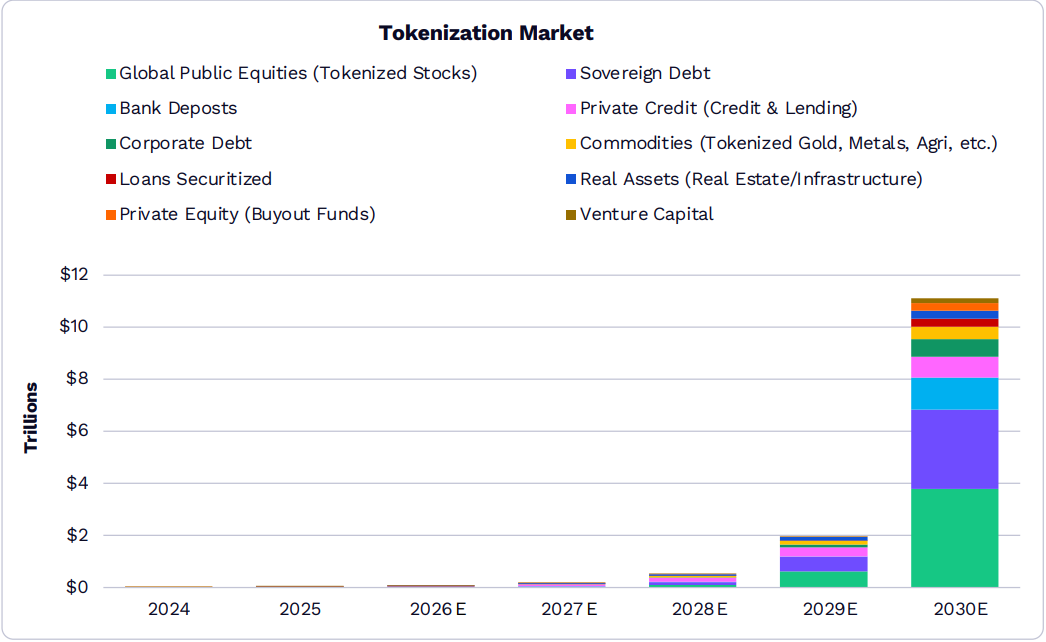
The push toward compliant onchain markets comes as interest in tokenization continues to grow. In its Big Ideas 2026 report, Ark Invest estimated that the global market for tokenized assets could grow from $19 billion to $11 trillion by 2030, representing around 1.38% of all financial assets.
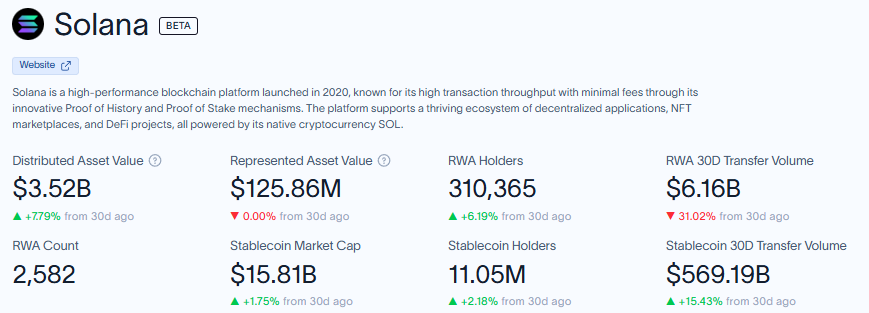
Solana has also seen rapid growth in its real-world asset ecosystem. The network recently became the blockchain with the highest number of RWA holders, reaching 311,000 holders, $3.5 billion in RWA value, and more than 2,500 types of tokenized assets.
Read More on SolanaFloor
What's Next For Crypto If CLARITY Fails?