Meta Rolls Out $USDC Payouts for Creators on Solana
Stablecoin payouts for creators begin in Colombia and the Philippines
- Published:
- Edited:
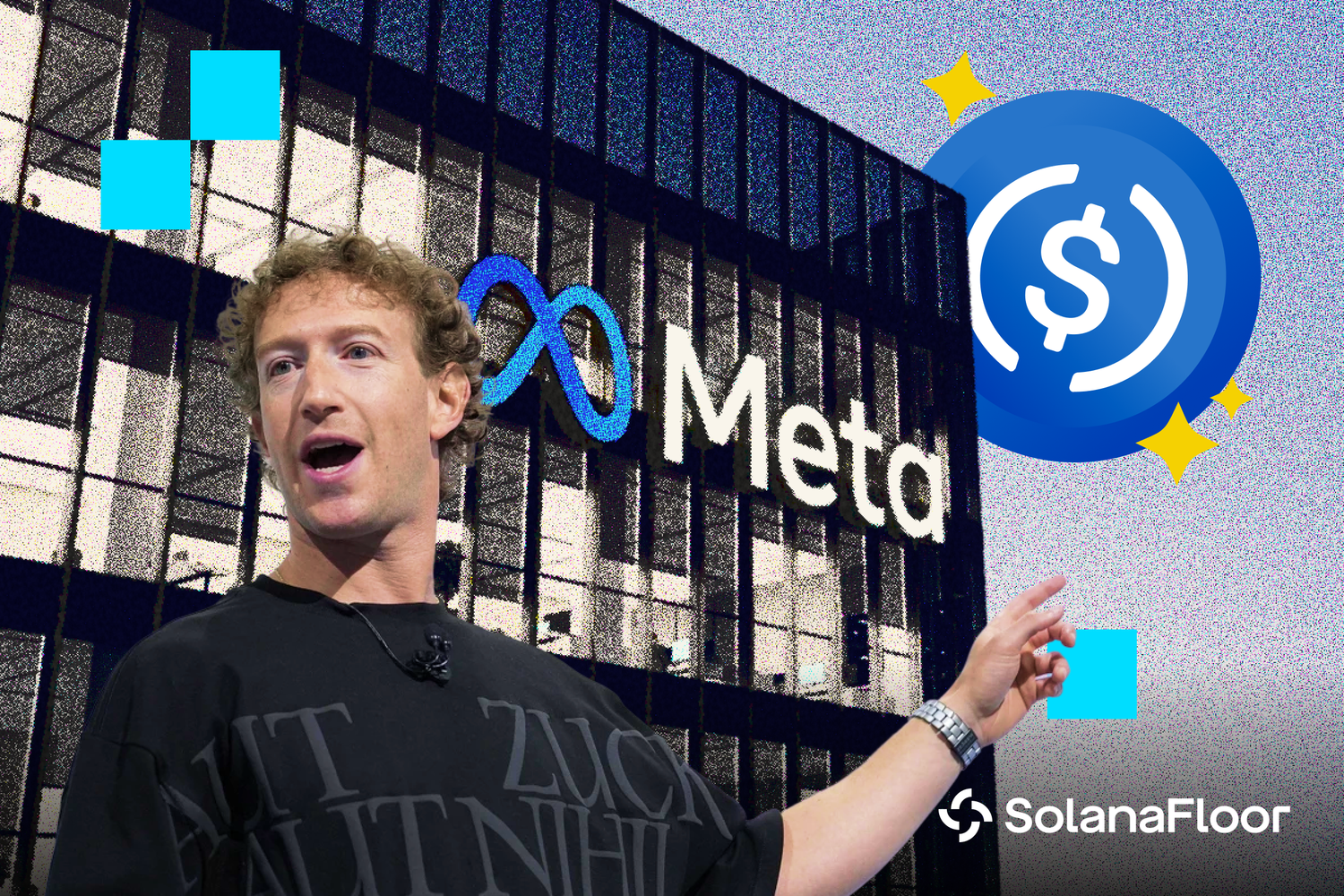
Meta, the Big Tech giant behind Facebook and Instagram, is introducing $USDC payouts for creators in emerging markets.
The social media empire’s re-entrance into the crypto payments scene comes four years after Meta wound down its proprietary stablecoin, $LIBRA (later renamed to $DIEM).
Despite Stripe’s involvement, Meta appears to prefer general purpose networks over dedicated payments chains like Tempo, the infrastructure provider’s native solution.
Meta Chooses $USDC Over Re-Issuing its Own Coin
Meta, the parent company best known for bringing social media platforms like Facebook and Instagram to critical mass, is finally dipping its toes back into blockchain.
According to Meta’s Business Help Center, stablecoin payouts in $USDC are currently available to select users in Colombia and the Philippines via Solana and Polygon. At press time, Meta has not confirmed its intention to expand beyond these regions.
In a statement to Coindesk, a Meta spokesperson confirmed that its new stablecoin payouts service was supported by Stripe. Tempo, Stripe’s proprietary, payments-centric chain, is not supported at this stage.
Meta’s return to crypto marks a sharp change in direction for the social media giant. Despite heavy investment in both the metaverse and stablecoin issuance in recent years, Meta had previously pulled the plug on both ventures.
While the passing of the GENIUS Act has alleviated many of the regulatory hurdles that originally forced Meta to abandon its stablecoin project, the firm has reportedly emphasized that it does not intend to revive a digital currency of its own.
Circle is Still Web2’s Preferred Stablecoin
Solana’s stablecoin sector may be in a state of competitive limbo, but it appears that Meta is aligning with its US-centric neighbour over other alternatives. Meta’s new stablecoin creator payouts will be handled entirely in $USDC, suggesting the tech giant values the regulatory clarity that Circle provides.
This hasn’t stopped Solana DeFi users from suggesting that Meta also adopt Tether’s $USDT, the world’s largest stablecoin by market capitalization.

Several weeks on from the announcement of its $150M Drift Protocol recovery plan, Tether has made strong inroads within Solana’s onchain economy. $USDT supply on the network has risen by 22.6% in the last 30 days, driven by growing adoption among users and ecosystem incentives.
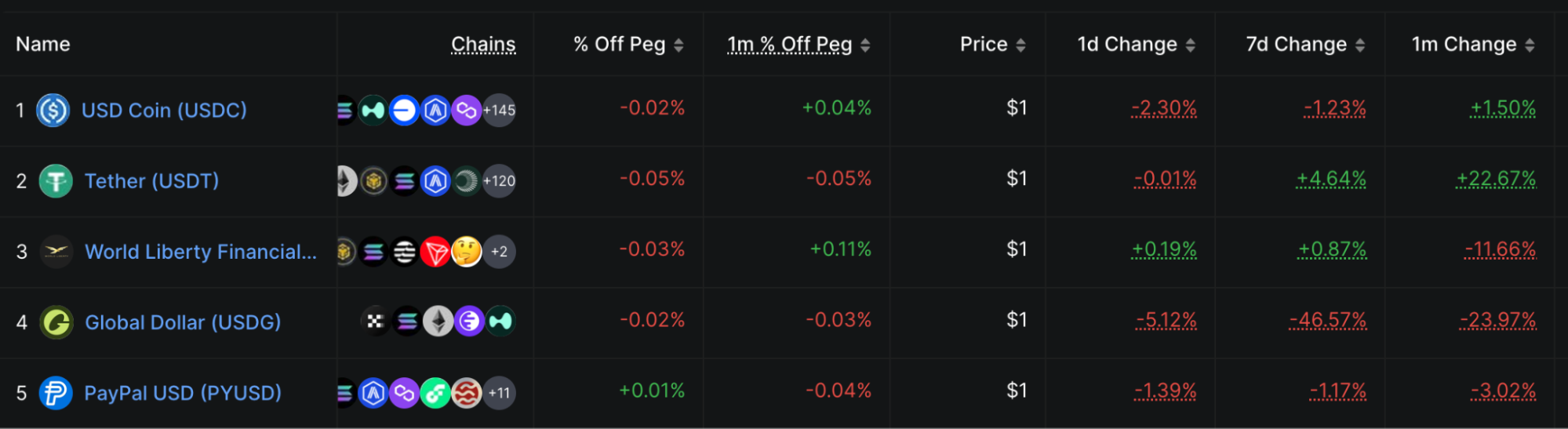
However, $USDT’s growth has so far failed to have an impact on $USDC’s existing dominance. Based on DefiLlama data, Circle’s $USDC still commands 52.63% of stablecoin market share on Solana, rising 0.2% since April 1st.
South Korea’s Leading Card Issuer Joins Stablecoin Movement
Solana is rapidly becoming TradFi’s crypto payment rails infrastructure of choice. Just weeks after Visa Head of Crypto Cuy Sheffield shared that U.S. banks are settling transactions in $USDC on Solana, South Korea’s biggest card issuer is also joining the sector.
Shinhan Card, a leading South Korean issuer servicing over 28M users, has signed an MOU with the Solana Foundation declaring its intention to expand Web3 payment structure on the network.
"Building on Solana, we plan to closely examine the practical applicability of blockchain technology and proactively explore next-generation financial models. By combining Solana's infrastructure with Shinhan Card's expertise, we will make every effort to introduce a safe and convenient payment environment in line with future regulatory developments." - Kim Young-il, Executive Vice President, Shinhan Card
Shinhan Card intends to explore ‘Hybrid Finance Models’, combining TradFi’s reliability with DeFi’s efficiency and transparency.
Read More on SolanaFloor
Who Took Home Top Prizes in the Lastest Seeker Hackathon?
Solana Mobile Names Monolith Hackathon Winners, Distributes $125K in Prizes
Should Circle Have Frozen Stolen Funds?