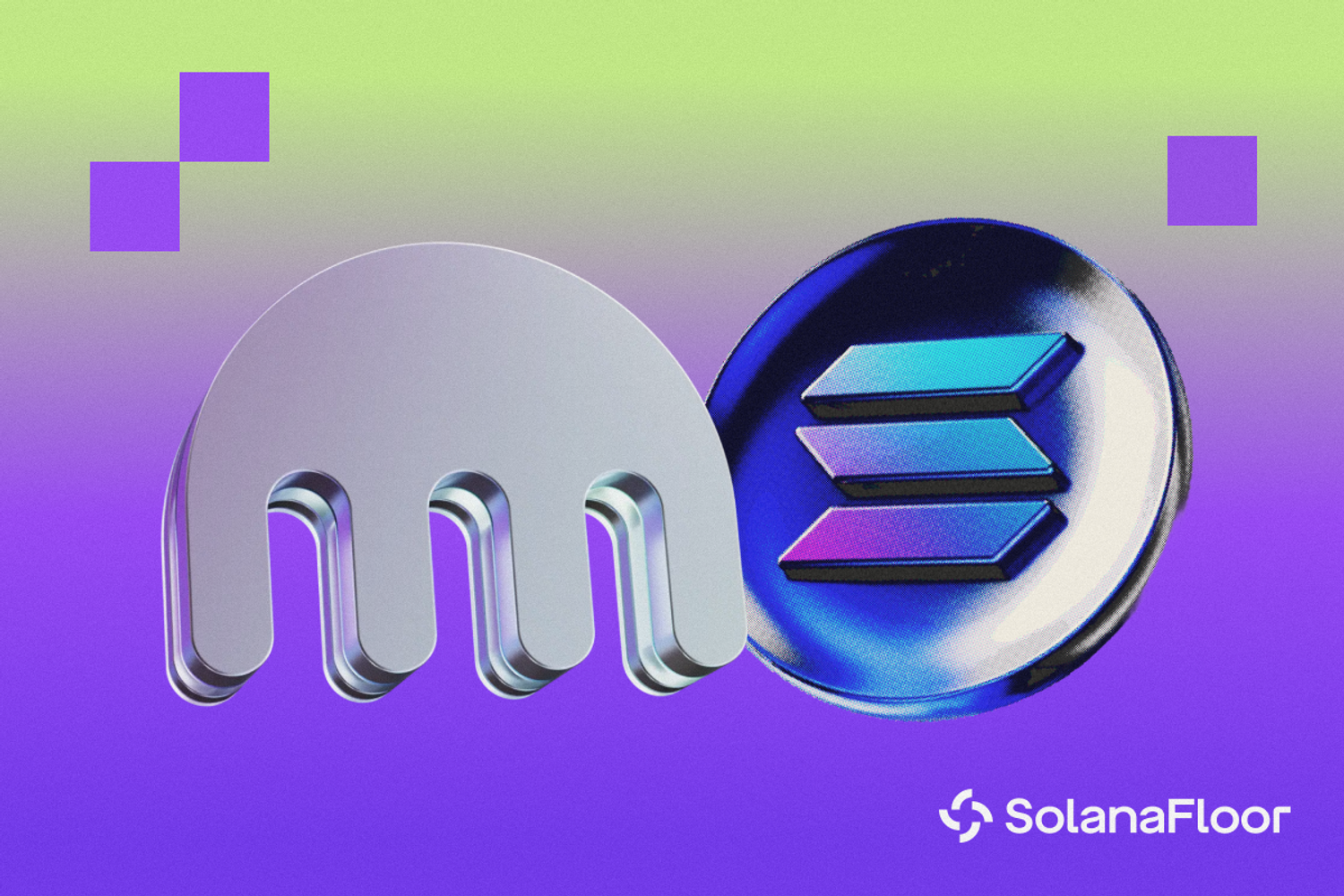
Kraken has integrated Solana DEX trading directly into its core mobile application, giving more than 10 million users access to over 2,500 Solana-based tokens through a familiar interface.
The feature allows eligible customers in the United States and more than 100 countries to buy and sell Solana ecosystem tokens, including many not yet listed on any CEX, using USD or $USDC without leaving the Kraken app. The feature aims to provide users with earlier access to emerging projects.
Traditionally, users seeking exposure to newly launched Solana tokens have to navigate DeFi infrastructure on their own. That process often requires setting up separate wallets, managing seed phrases, bridging assets between networks, and handling transaction fees. Kraken's new integration removes much of that complexity by embedding the onchain experience directly into the application that customers already use for centralized trading.
Lowering the Technical Barrier to DeFi
Thousands of new tokens launch onchain every week, particularly within the Solana ecosystem. While experienced crypto participants have grown comfortable using DEXs, many retail users have remained on the sidelines because of the technical challenges involved.
Kraken's approach seeks to bridge that gap. Users can now view their onchain holdings alongside their existing Kraken portfolio within a single interface. They do not need to switch between applications or manage a separate wallet experience. The infrastructure relies on embedded wallet technology from Privy and integrates with Solana DEX protocols behind the scenes.
According to Kraken, the goal is to simplify access to decentralized markets while preserving the benefits of onchain trading.
“This is about access. Buying, holding, and selling crypto should feel simple, even when the technology behind it is powerful. No one should feel intimidated by bridges, gas fees, or other technical barriers to using on-chain markets. By building this directly into Kraken, we’re making DeFi easier for millions of people to use, whether they’re new to crypto or experienced users who want everything in one place.” - Kamo Asatryan, Chief Data Officer of Payward and Global Head of Consumer.
A Growing Industry Trend
Kraken's move follows a broader industry shift as centralized exchanges increasingly expand into DEX trading. In 2024, Binance launched Binance Alpha, a platform within the Binance Wallet designed to “spotlight early-stage crypto projects”, integrating a DEX directly into the Binance app. Bybit followed suit in 2025 with its own Bybit Alpha product.
In December 2025, Coinbase announced support for Solana DEX trading through an integration with the Metis API. The feature brought millions of Solana-based assets to Coinbase customers and formed part of a larger strategy to transform the platform into what executives described as an "everything app" for financial services.
A month earlier, OKX launched in-app DEX trading across Solana, Base, and X Layer. The exchange introduced a unified trading experience that combined centralized and decentralized markets within a single portfolio view.
These developments emerged during a period of strong DEX trading activity in 2025. As onchain trading volumes climbed, exchanges faced pressure to offer customers easier access to decentralized markets without forcing them to leave familiar platforms.
What Comes Next
The launch underscores a broader transformation within the crypto industry. Centralized exchanges increasingly view DEX trading not as a competing ecosystem but as a feature users expect to access within a single platform.
Kraken's initial rollout focuses exclusively on the Solana ecosystem, one of the most active blockchain networks for token launches and DEX activity. The company stated that it plans to expand support to additional blockchain networks over time, potentially bringing a wider range of onchain markets to eligible customers globally.
Read More on SolanaFloor
80% of Jupiter Predict’s All-Time High Volume Comes From Sports Trading
Solana Mobile June Recap: 1,000 Apps, Publishing Portal Update, and DeFi Portfolio Tracking
Why Pokemon Cards Cost More Than Gold