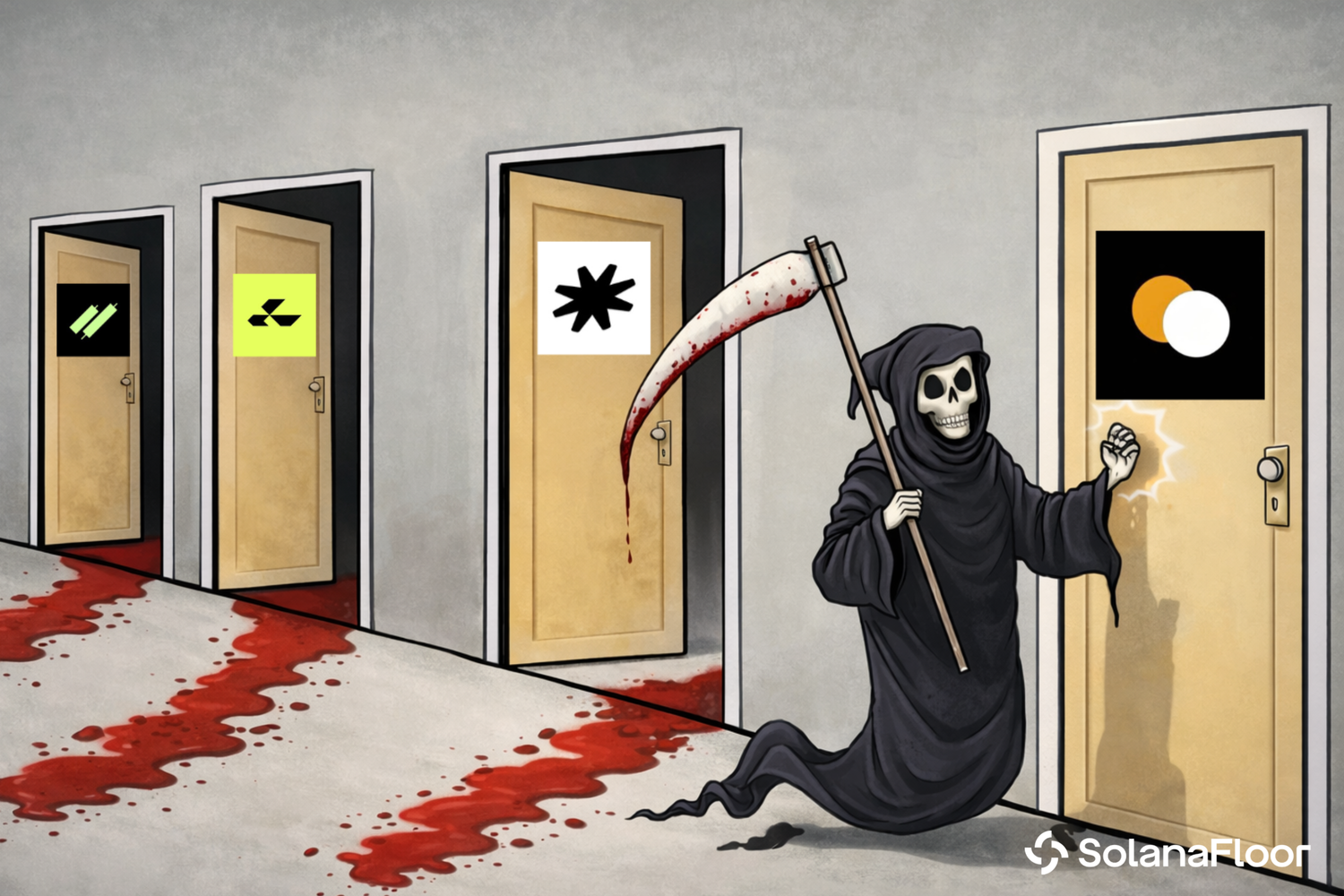
Hurupay не удалось собрать $3M на ICO на MetaDAO - ICO Meta закончилось?
Бизнес Stablecoin пытается привлечь средства на рынке, который больше не финансирует ICO.
- Опубликовано:
7 февраля компания Hurupay подтвердила, что ее публичная продажа токенов официально закрылась, не достигнув минимальной суммы в 3 миллиона долларов. Компания объявила, что в ближайшее время обработает возврат средств и вернет их участникам. Это объявление положило конец многонедельным дебатам на криптовалютных социальных каналах и фактически ознаменовало еще один громкий провал модели ICO в ее нынешнем состоянии.
Hurupay вышла на рынок с показателями, которые в предыдущих циклах, скорее всего, гарантировали бы финансирование. Команда принесла доход, пользователей, институциональные партнерства и работающий продукт. В текущих условиях ничего из этого оказалось недостаточно.
ICO Hurupay и его результаты
Onchain-необанк Hurupay запустил свое ICO на MetaDAO с минимальной целью в $3 млн и идеальным привлечением $5 млн или более. Для продажи использовалась структура без ограничений, чтобы предотвратить азартные игры и позволить рыночному ценообразованию сформироваться естественным образом. Все внесенные средства поступали в казну Hurupay напрямую, если минимальный порог был достигнут.
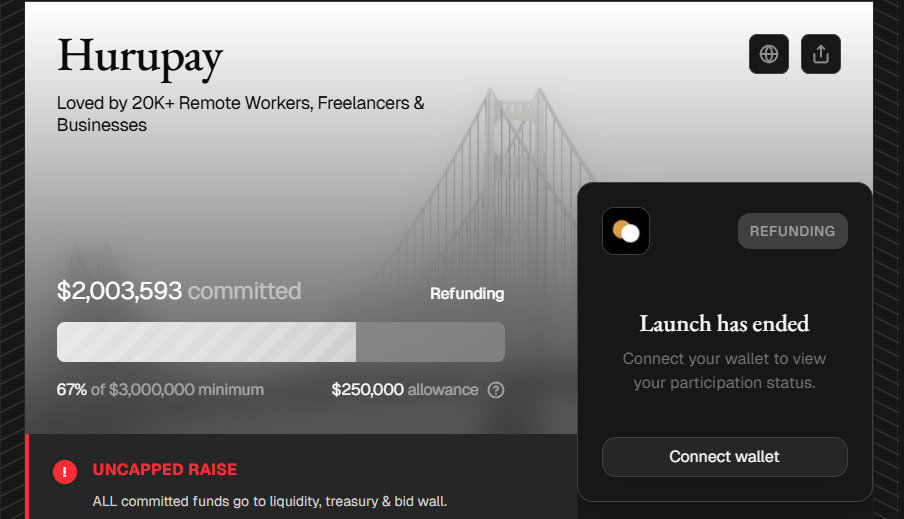
Несмотря на стабильное участие, сбор средств так и не приблизился к требуемому уровню. В последние минуты один участник, по-видимому, внес 1,1 миллиона долларов, в результате чего общая сумма взносов превысила 2 миллиона долларов, и на короткое время возникло замешательство, поскольку связанные с этим рынки предсказаний разрешились благополучно.
Но сумма обязательств все равно не достигла заявленного минимума. Hurupay закрыла продажу и подтвердила возврат средств всем вкладчикам.
Публичное заявление компании осталось кратким и фактическим. Она поблагодарила участников и подтвердила, что минимальный порог не был достигнут. Несколько наблюдателей отметили, что неспособность собрать минимальную сумму даже после решения изменить механику продажи на середине пути создала важный прецедент для поддержания доверия к ончейн-фандрайзингу.
В преддверии продажи Hurupay опубликовала подробные операционные показатели. За шесть месяцев компания увеличила ежемесячный объем транзакций с 1,8 млн до 7,2 млн долларов, причем ежемесячный рост составил 32 %. За двенадцать месяцев компания Hurupay обработала более 36 миллионов долларов США и получила более 500 000 долларов США дохода.
Частные лица и удаленные работники используют Hurupay для получения долларов США, конвертации в стабильные монеты, а также для траты или вывода средств на месте. Предприятия используют платформу для проведения повторяющихся глобальных платежей по заработной плате и платежам поставщикам, не требуя регистрации в США или наличия местной банковской инфраструктуры. Компания насчитывает более 30 000 пользователей в Азии, Африке, Европе и США. Ни один из этих факторов не привел к появлению достаточного розничного капитала во время ICO.
Механика MetaDAO и возврат переполненных средств
Продажа выявила растущие трения вокруг развивающейся механики ICO от MetaDAO. Предыдущие запуски возвращали участникам избыточный капитал, что создавало ощущение защиты от падения курса и стимулировало участие, связанное со стратегиями рынка предсказаний. Продажа Hurupay устранила возврат избыточного капитала и направила все средства в казну проекта после достижения минимального уровня.
Критики утверждали, что это изменение изменило профиль риска для розничных участников и способствовало размещению капитала в последнюю минуту. Сооснователь MetaDAO, Metaproph3t, утверждал, что отсутствие ограничений на повышение ставок уменьшает манипуляции и лучше отражает реальный спрос.
Он публично признал, что команда продолжает дорабатывать модель и что Hurupay пострадал из-за неудачного выбора времени на слабом рынке.
Состояние рынка и ослабление доверия
Итоги Hurupay последовали за несколькими проблемными ICO, включая Ranger Finance и Trove Markets, а также Space, каждое из которых не оправдало ожиданий после продажи. Ranger Finance и Trove Markets после запуска торговались значительно ниже цены ICO, а Space столкнулась с тщательным изучением своего привлечения 20 миллионов долларов и вопросами, касающимися оценки, раскрытия информации и отчетности после ICO. В совокупности эти результаты подорвали доверие к новым продажам токенов, особенно среди розничных участников, которые несли основную часть риска падения.
Многие комментаторы отметили, что крупные участники предыдущих запусков MetaDAO не приняли значимого участия в продаже Hurupay, объяснив предыдущие успехи арбитражем на рынках предсказаний, а не долгосрочной убежденностью.
Другие указывали на слабый маркетинг, отсутствие нарративного импульса и отсутствие привлекательности Solana для местных жителей как на способствующие факторы.
Hurupay провалила ICO не потому, что у нее не было продукта, дохода или пользователей. Она потерпела неудачу потому, что модель ICO больше не соответствует текущей рыночной психологии, а также потому, что пространство ончейн-необанков становится все более переполненным: даже MetaDAO в прошлом принимала у себя как минимум один подобный проект. Сейчас участники рынка сталкиваются с ситуацией, когда почти каждый криптокошелек позиционирует себя как глобальная банковская альтернатива, что сжимает дифференциацию и повышает планку внимания, недавний пример - запуск Jupiter Global.
Розничные инвесторы требуют ликвидности, ясности и немедленной обратной связи. ICO требуют терпения, доверия и долгосрочных перспектив в тот момент, когда капитал по-прежнему избегает риска и испытывает усталость. В таких условиях даже надежным операторам трудно выделиться.
Подробнее о SolanaFloor
Соучредитель Solana Анатолий Яковенко делится информацией о Vibe-Coded Percolator Memecoin Perps as Developers Fork the Project
Закончился ли криптовалютный крах, или разворот DATs станет финальным событием капитуляции?
Участвуете ли вы во втором сезоне Solana Seeker?