Counterarguments Emerge as Validators Challenge $SOL Tokenomics Proposals
$SOL disinflation and resource fee proposals clear initial support round
- Published:
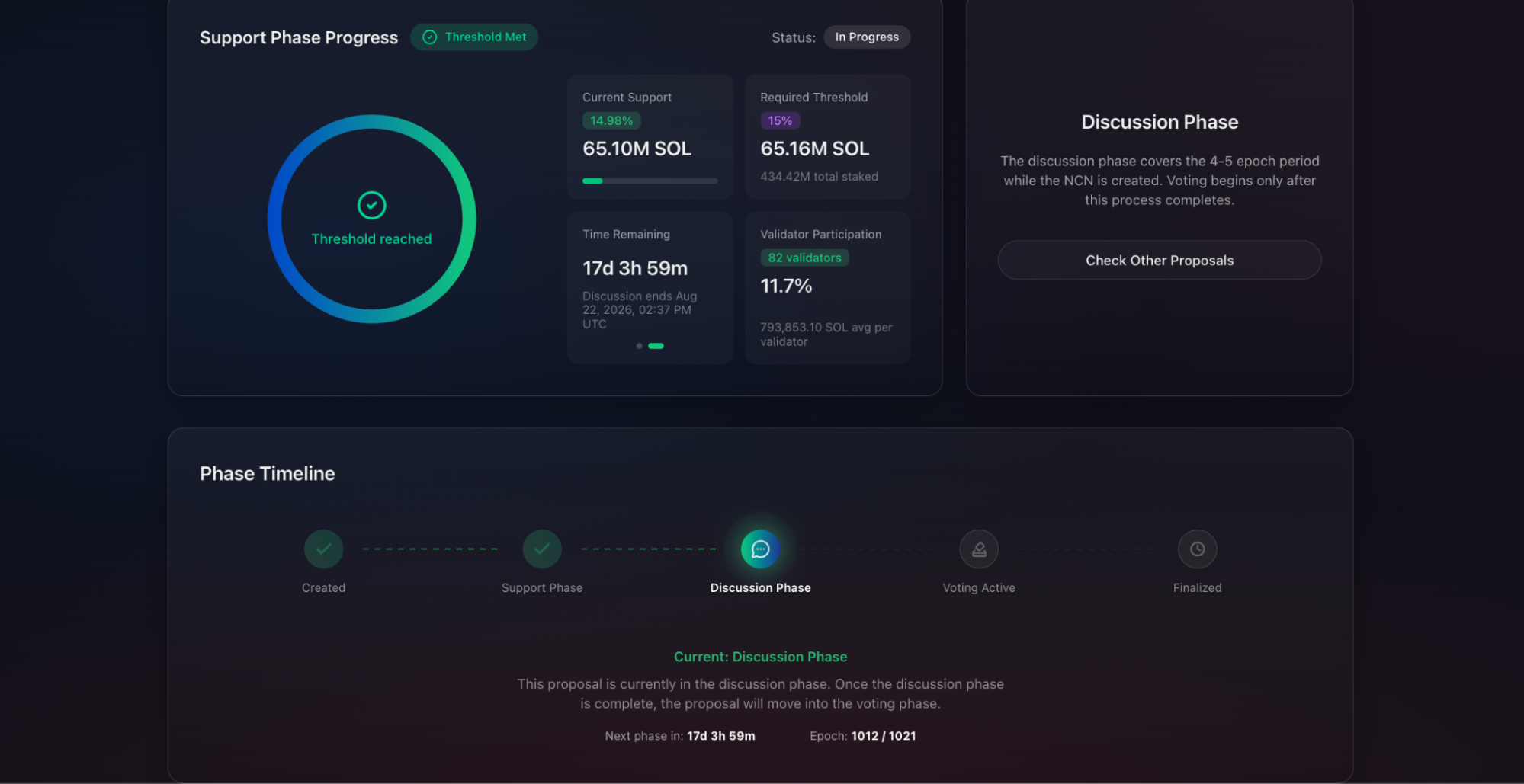
Solana is gearing up for what may be another highly contentious round of protocol governance voting. Validators representing 15% of network stake have collectively agreed to progress two outstanding $SOL tokenomics proposals.
However, while the social media timeline is overwhelmingly supportive of both double disinflation (SGP-002) and resource fee (SGP-003) proposals, pockets of Solana’s validator community have pushed back on the changes.
Amidst concerns that the changes to $SOL tokenomics could cut into validator profitability, some operators have been caught unawares by new features designed to combat voter apathy.
$SOL Tokenomics Proposals Enter Discussion Phase
Having won the support of validators representing 15% of network stake, SGP-002 and SGP-003 have progressed to the Discussion phase. For the next 9 epochs, or an estimated 17 days, network participants are actively encouraged to engage in debate the merits of both proposals and the implications they may have on the growth of the chain.
Alongside sweeping support for SGP-002 and SGP-003, other architectural changes to the Solana are drawing closer. SIMD-0525, a proposal to gradually lower slot times to 200ms from 400ms, is activating on testnet later today.
While both SGPs were initially met with widespread support by the Solana community, the formalization of the discussion phase has put certain aspects of the tokenomics changes under the spotlight.
Validators Push Back on Expected Income Loss
In a throwback to the polarizing debates of SIMD-0228, the spiritual predecessor of SGP-002, pockets of Solana’s validator set are challenging the necessity of changes to network economics.
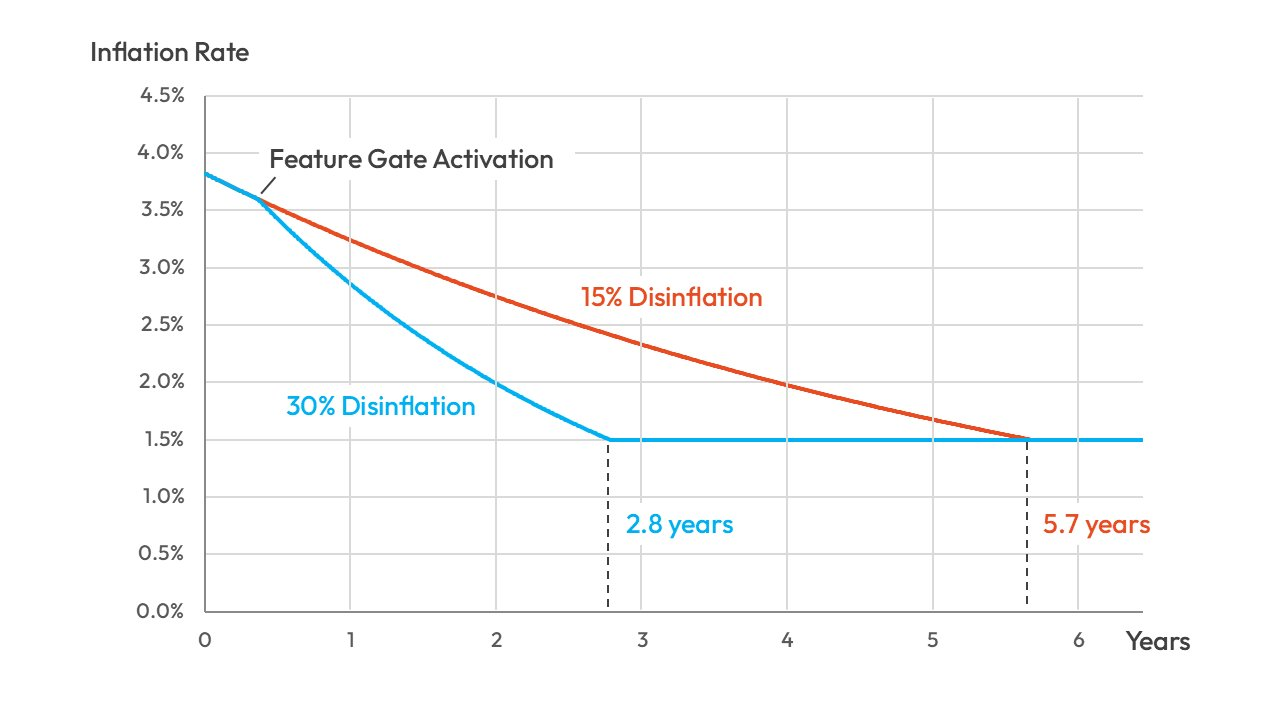
By doubling $SOL’s disinflation, the Solana network is expected to reach its terminal inflation rate of 1.5% around three years ahead of the existing schedule. According to Helius’ 0xIchigo, successful implementation would reduce emissions by roughly $1.5B.
However, due to the zero-sum nature of network economics, where there is a saving, there must also be a loss.
In this case, it is Solana’s validators who will bear the brunt of the change, earning reduced staking rewards due to lower $SOL emissions. Advocates of SGP-002 argue that lowering inflation will increase the $SOL’s USD value, counteracting the decline in $SOL rewards.
Additionally, validators argue that SGP-003, the proposal designed to boost $SOL value accrual by adding a resource fee to all transactions will also hamper earnings. Promising to add a programmatic fee to all transactions based on how resource-intensive they are, SGP-003 is expected to incur a price increase to the vast majority of non-vote transactions.
Critics argue that increased fees could hurt Solana’s scalability, causing a reduction in activity and network economic value long term.
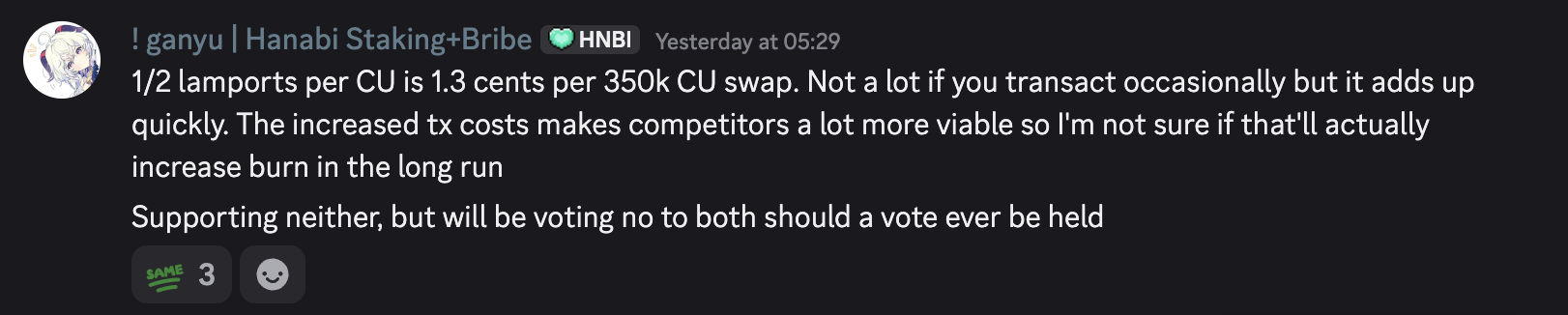
Beyond the downstream effects, validators anticipate a 10% reduction in rewards from non-vote transaction income. Shinobi’s Systems Zantetsu has been one of SGP’s most vocal opponents, expressing frustrations with the SIMD authors’ “cavalier” approach to validator earnings.
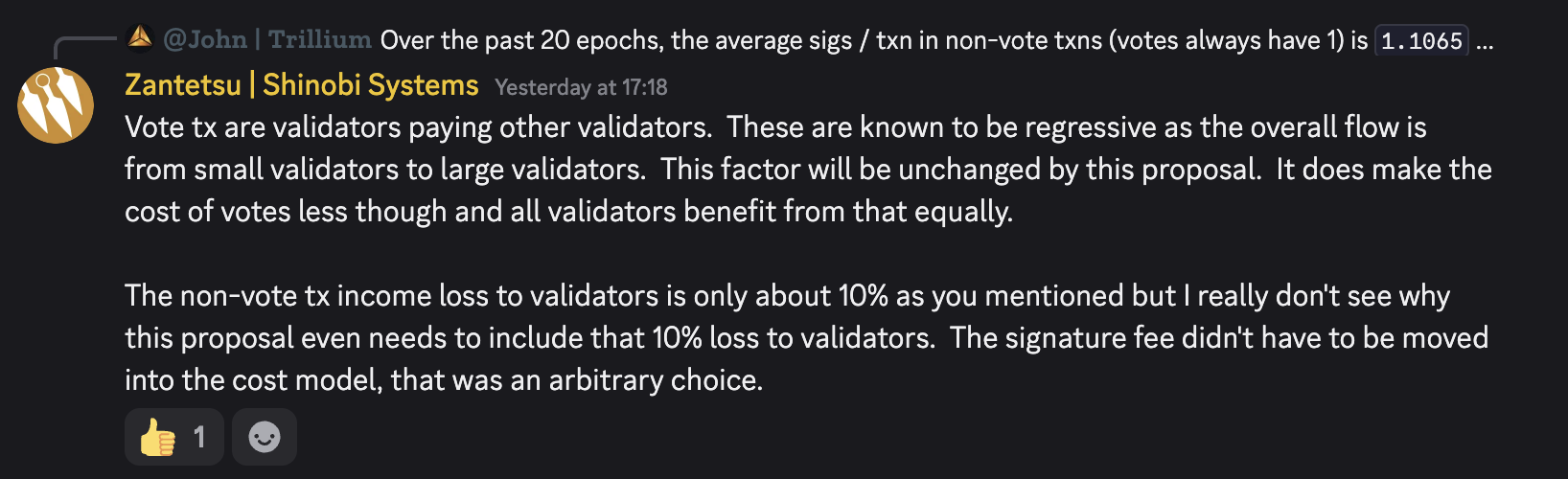
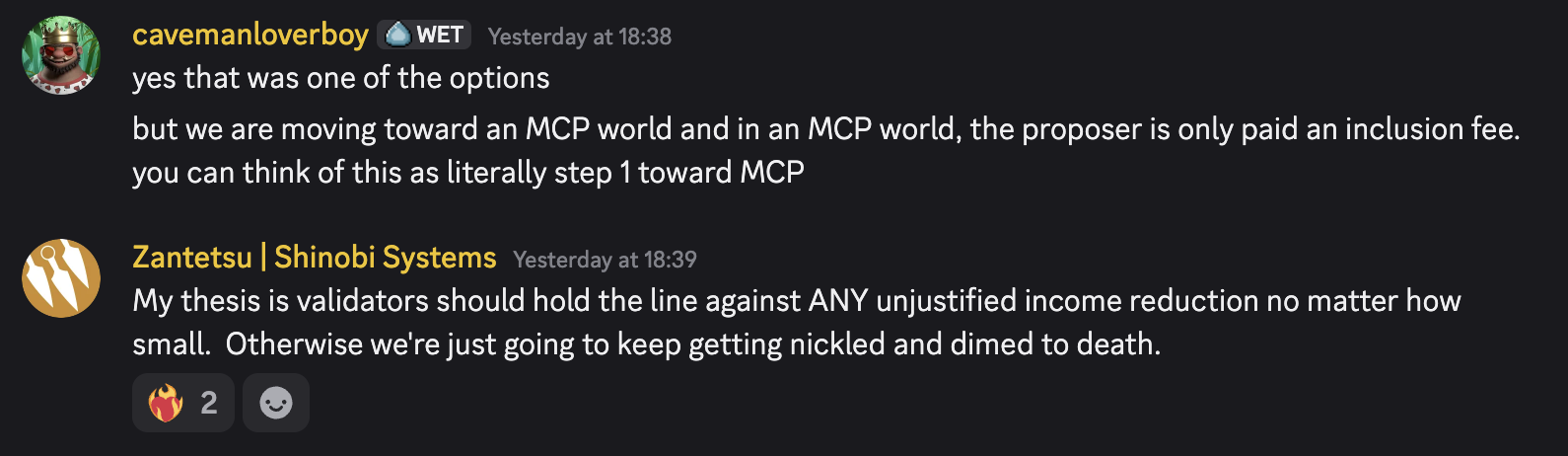
SGP-003 author cavemanloverboy has hit back at criticisms of the proposal, arguing that all validators will earn greater rewards following Alpenglow implementation. Post-Alpenglow, validators will no longer be required to process consensus voting transactions, instead paying a 1.6 $SOL-per epoch voting ticket. With the discussion phase underway, cavemanloverboy is expected to release a paper in the immediate term, combating many of the complaints levied by validators.
Meanwhile, other operators have questioned the necessity of resource-based fees and value programmatic value accrual.
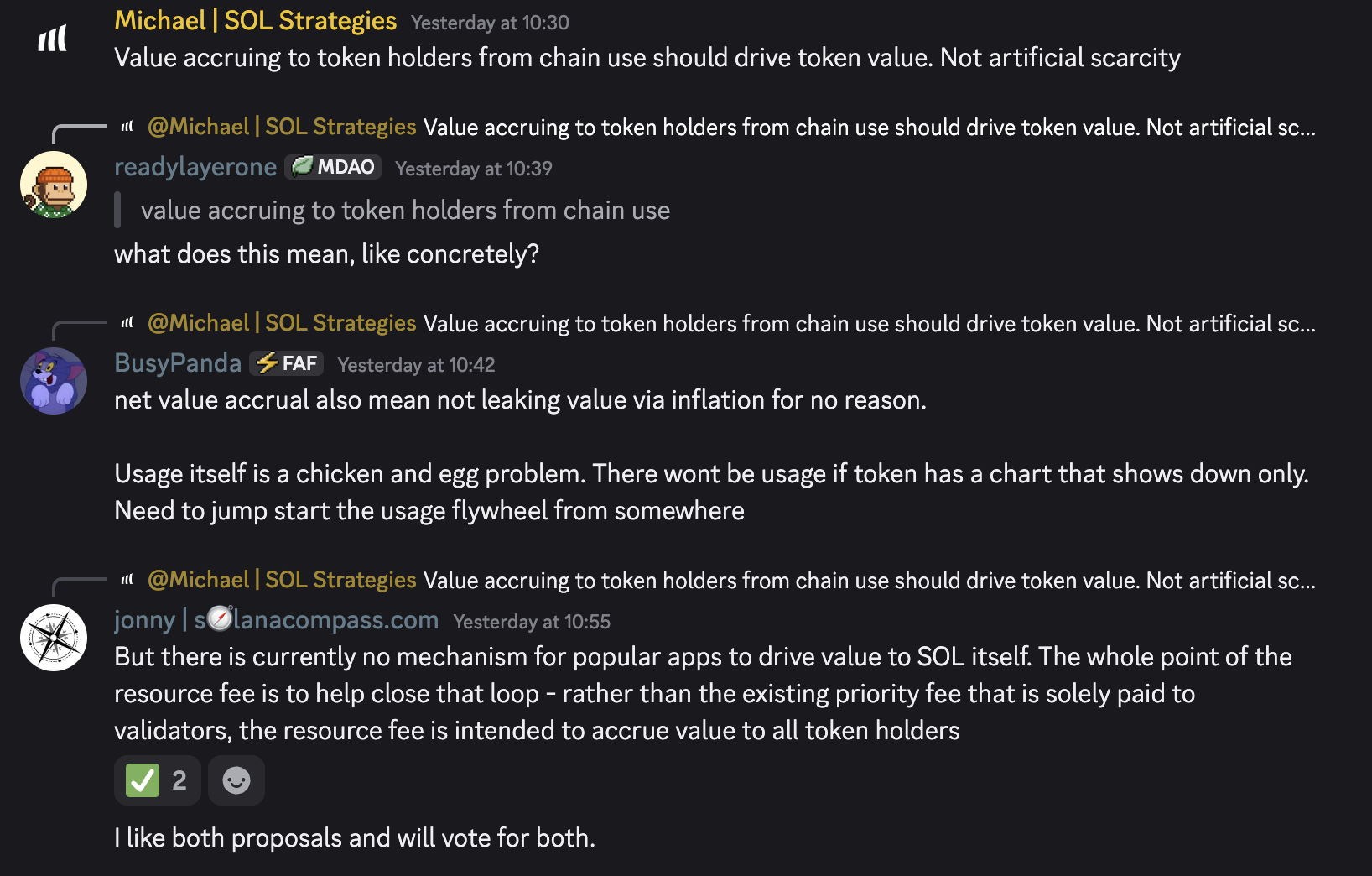
Where detractors argue that demand for $SOL should simply come from the access it provides to a vibrant and diverse ecosystem of apps, advocates like Solana Compass’ jonny claim that measures should be taken to ensure that $SOL mechanically benefits from that ecosystem’s success.
SGP Model Undergoes First Stress Test
Beyond the contents of the proposals themselves, network participants have expressed frustrations and concerns over the Solana’s new governance process itself. First outlined by Multicoin Capital MP Tushar Jain and Jito’s Nick Almond at Breakpoint 2025, the new SGP model introduces new features that some operators argue weaken the role of validators.
Previously, validators would vote on proposals on behalf of their stakers. While stakers could have an opinion, and voice their beliefs to their chosen operators, validators bore the responsibility of actually placing votes. Under SGP, stakers can override their validators, effectively they can vote on proposals directly, without needing to migrate stake to aligned-operators.
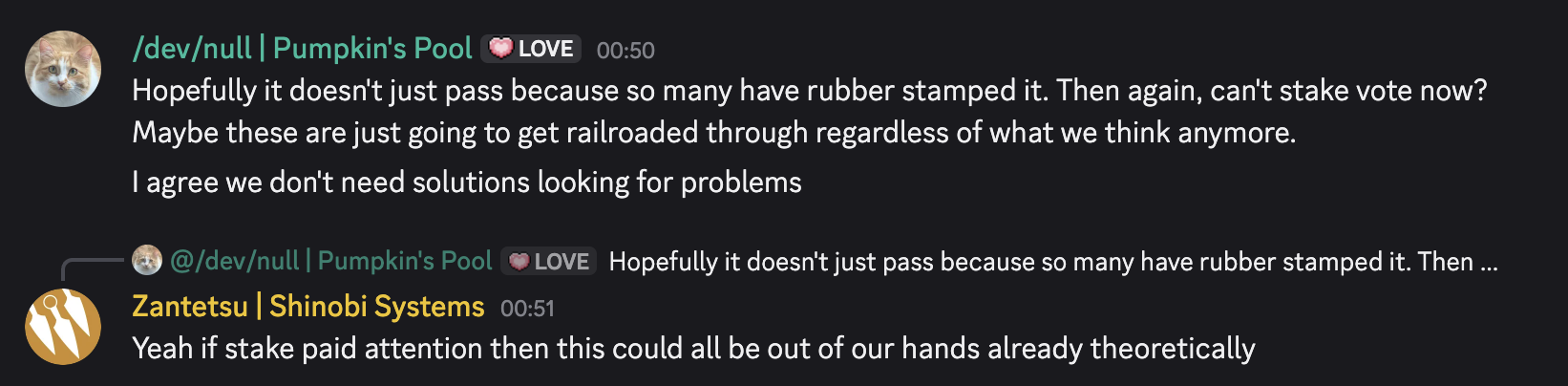
Some validators claim that this theoretically means that they have very little influence over the votes themselves.
Meanwhile, stakers are typically unbothered by the vast majority of Solana governance discussions and proposals. Aside from SIMD-0228, which saw a record turnout, voter apathy is alive and well in onchain economies.

SGP somewhat curbs this issue, however. Under the new governance model, proposals that reach the initial 15% support threshold, but fail to meet quorum in the official voting stage are subject to author and implementer approval.

This feature was included to avoid an incident in which voter apathy could inhibit chain development, wherein engineers might not be able to implement network improvements because stakers fail to follow protocol governance.
Read More on SolanaFloor
Jupiter is losing market share
Solana Aggregator Race Heats Up as OKX, DFlow Gain Ground on Jupiter
What’s Next for CLARITY?