Backpack Secures European Licensing Trifecta As Binance Winds Down EU Operations
Backpack confirms MiCA, MiFiD II, and PSD2 compliance while crypto’s biggest exchange leaves the EU
- Published:
Backpack, an emerging exchange, has secured three European critical licensing agreements, maintaining regulatory compliance as the EU cracks down on crypto.
Proud holders of MiCa, MiFiD II, and PSD2 licenses, Backpack’s strong regulatory moat surfaces in the midst of an emerging power vacuum. With Binance, crypto’s largest CEX, failing to secure approval, exchanges are now fiercely competing to capture the firm’s now-unserviced customer base.
Meanwhile, Binance founder and former CEO Changpeng ‘CZ’ Zhao, has called the exchange’s ousting a ‘loss for Europe”, sparking debate among rival CEX founders.
Backpack Solidifies Regulatory Moat Amidst EU Crackdown
After spearheading Solana’s tokenized stock renaissance with 1:1 redeemable securities and TradFi brokerage integration, Backpack has also hit its stride in the regulatory world.
With Europe’s MiCa compliance deadline forcing a reshuffle across the industry, Backpack has confirmed its compliance with not one, but three critical European licenses:
-
MiCA (Markets in Crypto-Assets) - EU-wide licensing regime for crypto-asset service providers and stablecoin issuers.
-
MiFID II (Markets in Financial Instruments Directive II) - governs investment services, trading venues, and investor protection for traditional securities and derivatives.
-
PSD2 (Payment Services Directive 2) - open-banking rules covering payment providers, third-party access, and strong customer authentication.
Given Europe’s notoriously difficult regulatory requirements, supporters have compared Backpack’s acquisition of the three licences to the “regulatory equivalent of launching a starship without blowing up the launch pad”.
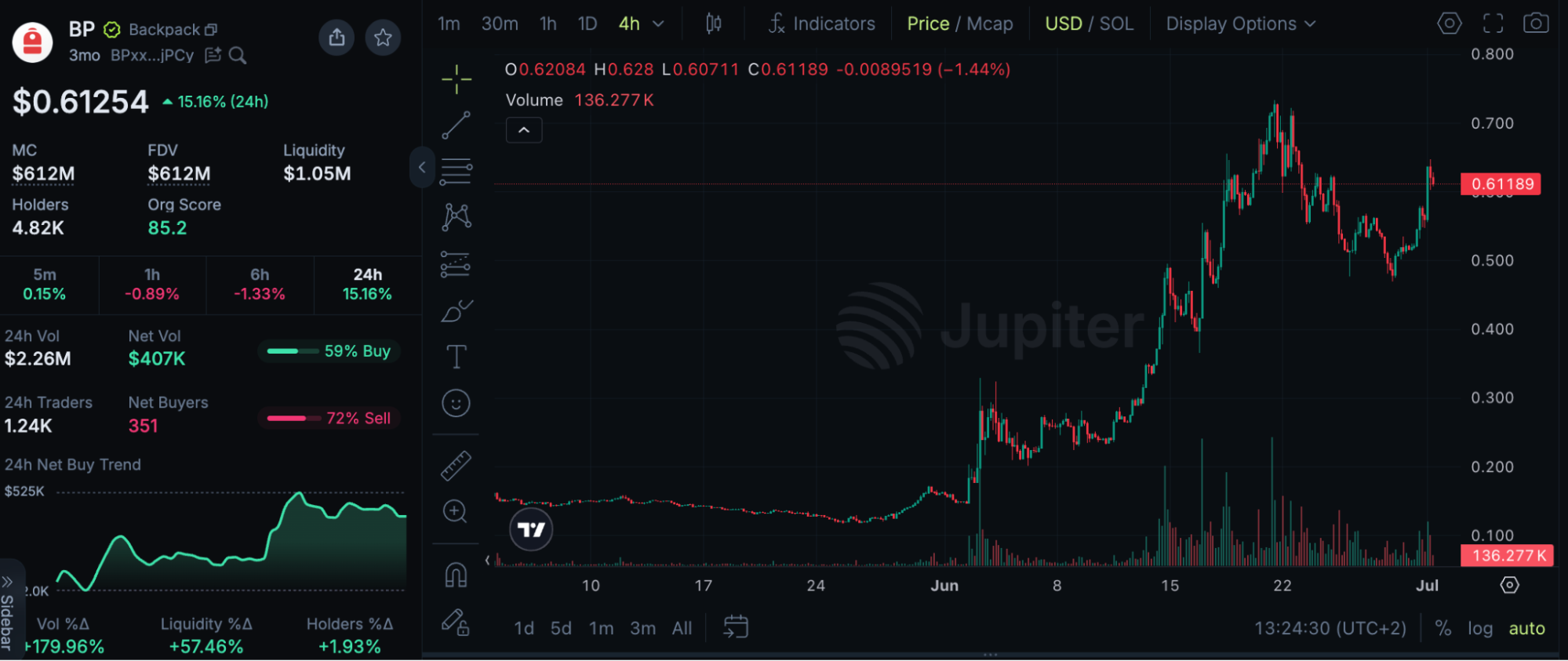
Markets appear to agree, with $BP, the exchange’s native token, gaining 15% in the last 24 hours.
Binance Packs Its Bags to Leave Europe
Backpack’s announcement comes at a critical moment, not only for the exchange, but for Europe’s crypto users. After failing to secure regulatory approval by today’s deadline, Binance has been forced to temporarily wind down operations in the region.
Binance, world’s largest crypto exchange, has come under scrutiny by regulators due to its existing record of money-laundering accusations and sanctions violations, which ultimately resulted in the US DoJ handing the firm $4B fine in November 2023.
But Binance isn’t throwing in the towel and leaving millions of hard-won customers to be snatched up by rival exchanges. Binance claims the firm withdrew its CASP application from Greece's Hellenic Capital Market Commission "after careful consideration of the status and the timeline" in Greece.
According to Wu Blockchain, citing the Financial Times, Binance intends to seek authorization in France and expects a license within months.
OKX Hits Back at CZ’s “Loss For Europe” Claim
Alongside Binance’s temporary departure from European markets, founder and former CEO Changpeng Zhao’s position on stir in CEX-Founder politics. Affronted by Binance’s expulsion from the region, CZ called the exchange’s MiCA failure “a loss for Europe”.
Mingxing ‘Star’ Xu, founder and CEO of OKX, a rival exchange, struck back at CZ, claiming that Binance’s inability to ensure compliance ahead of the deadline “says a great deal about the company’s attitude toward the rule of law and financial regulation.” Star also hinted at Binance’s alleged involvement in causing the crypto market’s devastating October 10 crash, which saw over $20B in liquidations wiped out in a matter of hours.
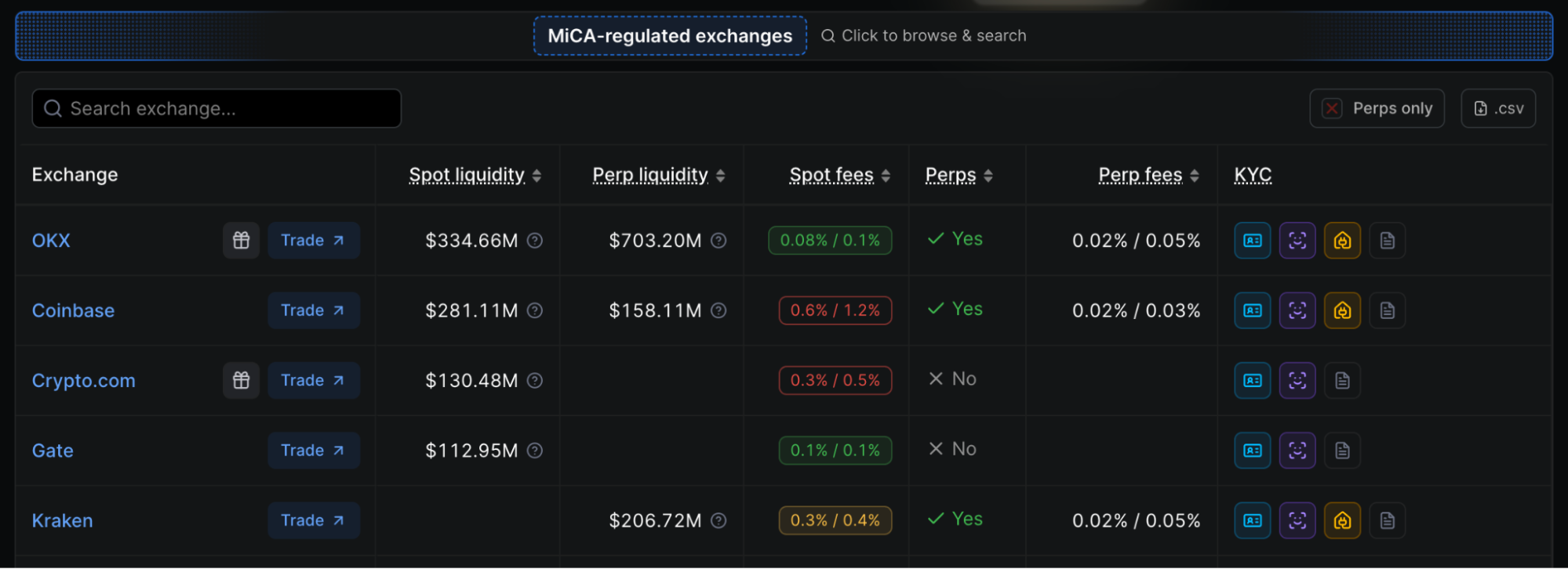
Following Binance’s temporary withdrawal from European soil, OKX is now the largest MiCA-regulated exchange in the region.
Read More on SolanaFloor
There’s a new stablecoin in town
Open Standard Unveils $OUSD, a Stablecoin For the Internet Economy
Solana Foundation’s Seraphim Joins the Big Picture