Loading...
en

Is Kintara Reviving Solana’s Gaming Sector?

Solana Gaming is making a comeback

  • Edited:

Despite claims from ecosystem leadership that “gaming on a blockchain is not coming back”, Solana MMOs are starting to catch a bid.

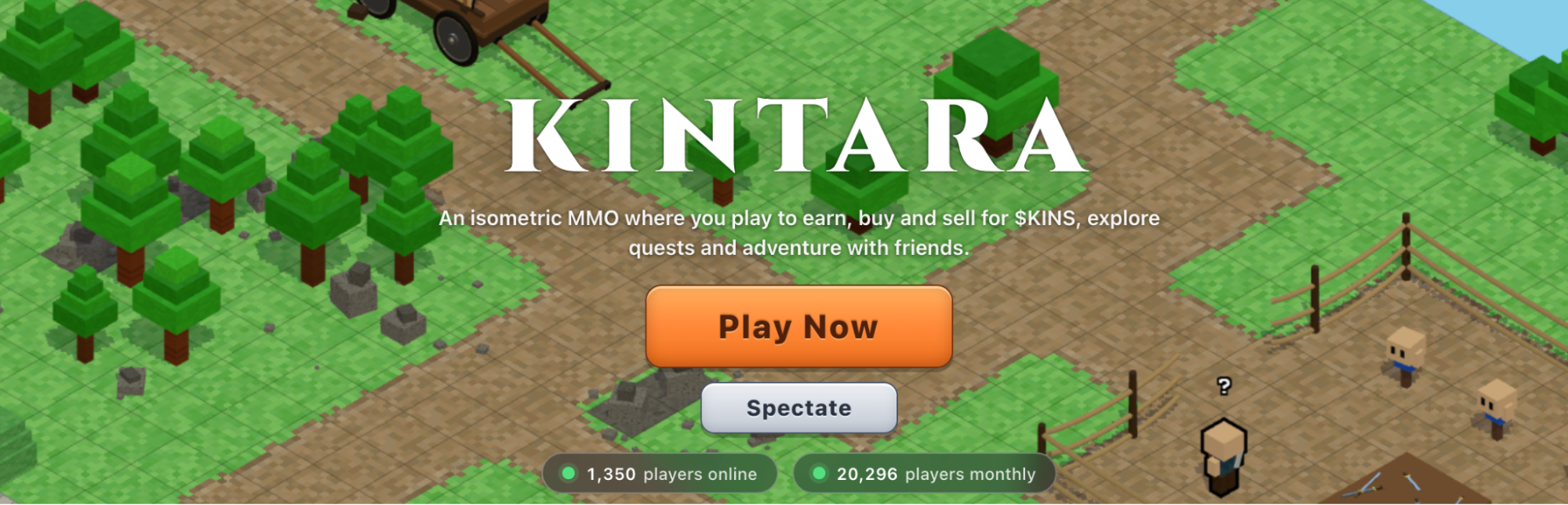
Over 20,000 players have logged into Minecraft-esque onchain games like Kintara, cultivating a thriving in-game economy that has processed over $450k in marketplace sales.

Can Solana’s emerging crypto games overcome the challenges of their hyper-financialized environment?

Over 20,000 Monthly Players Pile Into Onchain MMOs

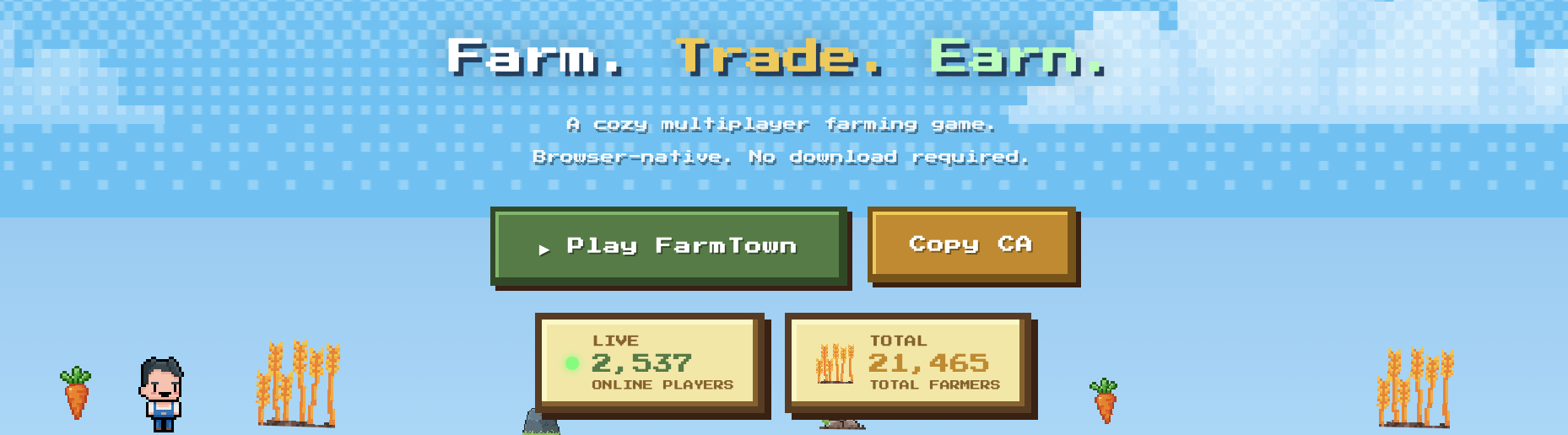
Solana’s long-overlooked and oft-maligned gaming sector is enjoying newfound activity and attention. Emerging MMOs like Kintara and FarmTown now boast over 20,000 monthly players, demonstrating a resurgence of interest in onchain gaming.

Image4

Launched in late May, Kintara is a fresh attempt at the play-to-earn economy, a phenomenon of past bull markets led by viral sensations like Axie Infinity and StepN. In Kintara, players harvest materials, craft items, collect cosmetics and hunt mobs and bosses in a living game world. The economy is powered by its native token, $KINS, which is required to play.

Image2

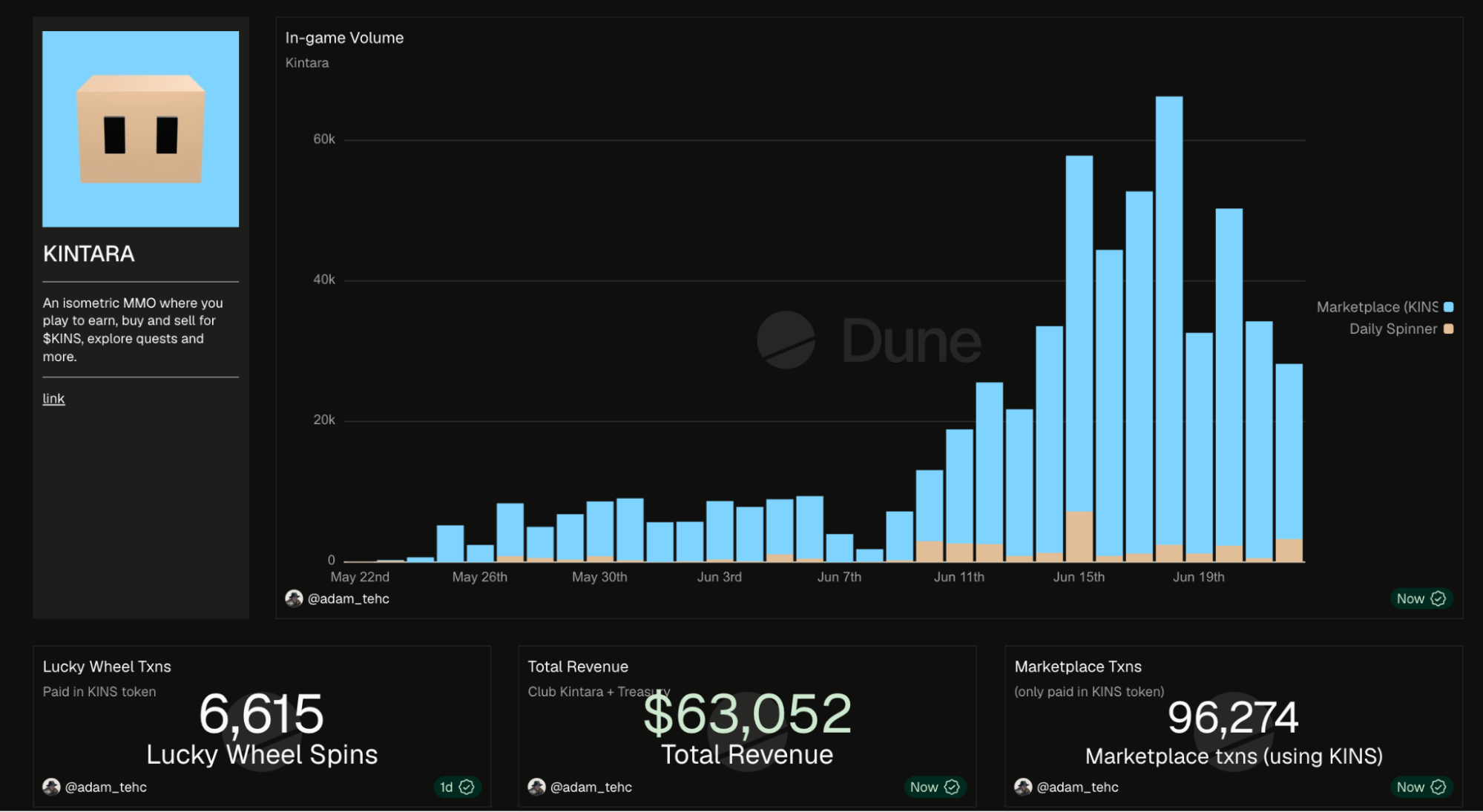
After a slow start, Kintara’s in-game marketplace is starting to gain momentum. According to Dune Analytics data, the Kintara marketplace has witnessed over $450k in trading volume. The game has reportedly blocked over 4,000 bots to discourage inorganic activity.

Image5

Kintara’s success seems to have inspired the launch of other economic onchain games. Since launching on June 17, FarmTown, an economic farm-simulator, has witnessed a similar growth trajectory, onboarding over 20,000 wallets in the past 7 days alone.

While the resurgence of onchain games is no doubt exciting for participants, the economic and inflationary nature of these applications has historically made them unsustainable for long-term players. In apps like FarmTown, for example, the gameplay loop relies heavily on reinvesting in-game earnings back into the economy, ultimately earning $FARM tokens that need to be sold to recover an initial investment.

Image1

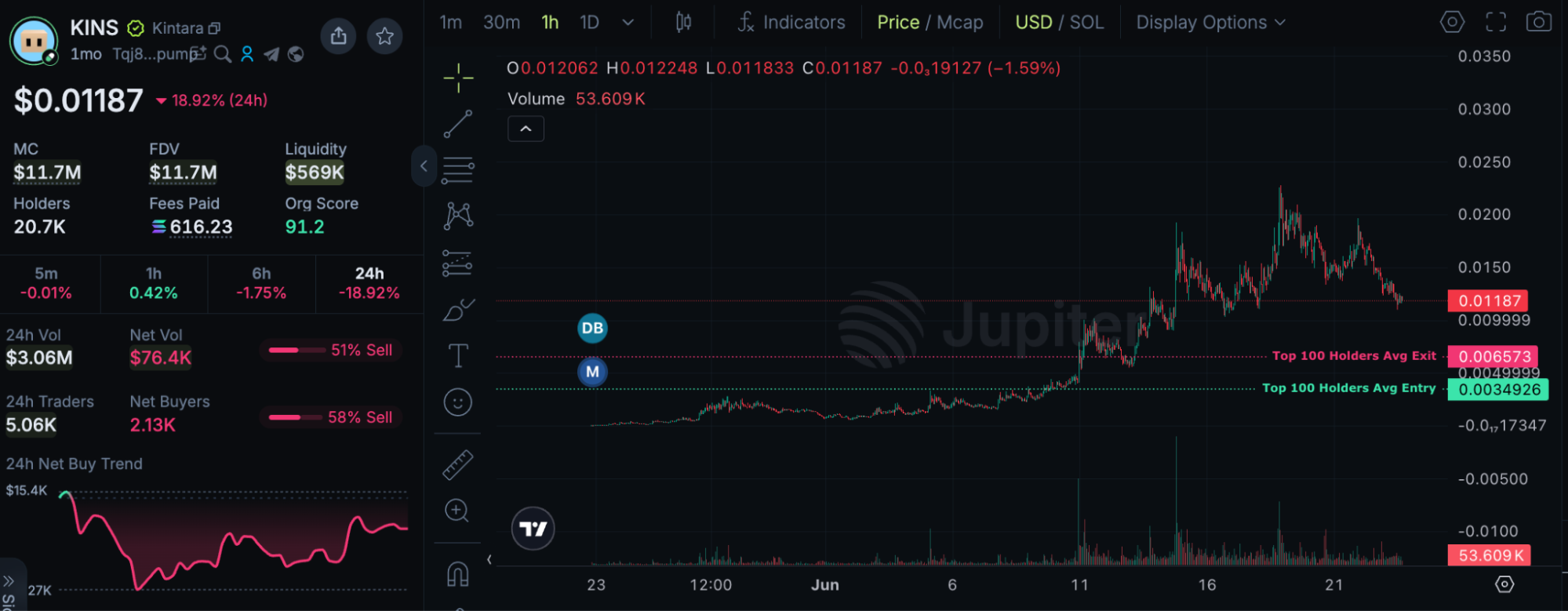
Regardless, players are enjoying the current economic landscape of these games, largely driven by the price appreciation of game currencies like $KINS and $FARM, both of which are up significant multiples since launch. However, as evidenced by the play-to-earn economies of yesteryear, user activity is liable to depress the value of in-game assets, leaving players who joined the fun late with losses.

Solana’s New Games Dwarf the Relics of the Past

For survivors of Solana’s 2022-2023 bear market, the onchain gaming renaissance is starkly reminiscent of popular NFT games like The Heist. Launched at a time when much of the industry believed Solana would never recover, games like The Heist drove a significant amount of onchain activity, becoming a staple of Solana culture and history.

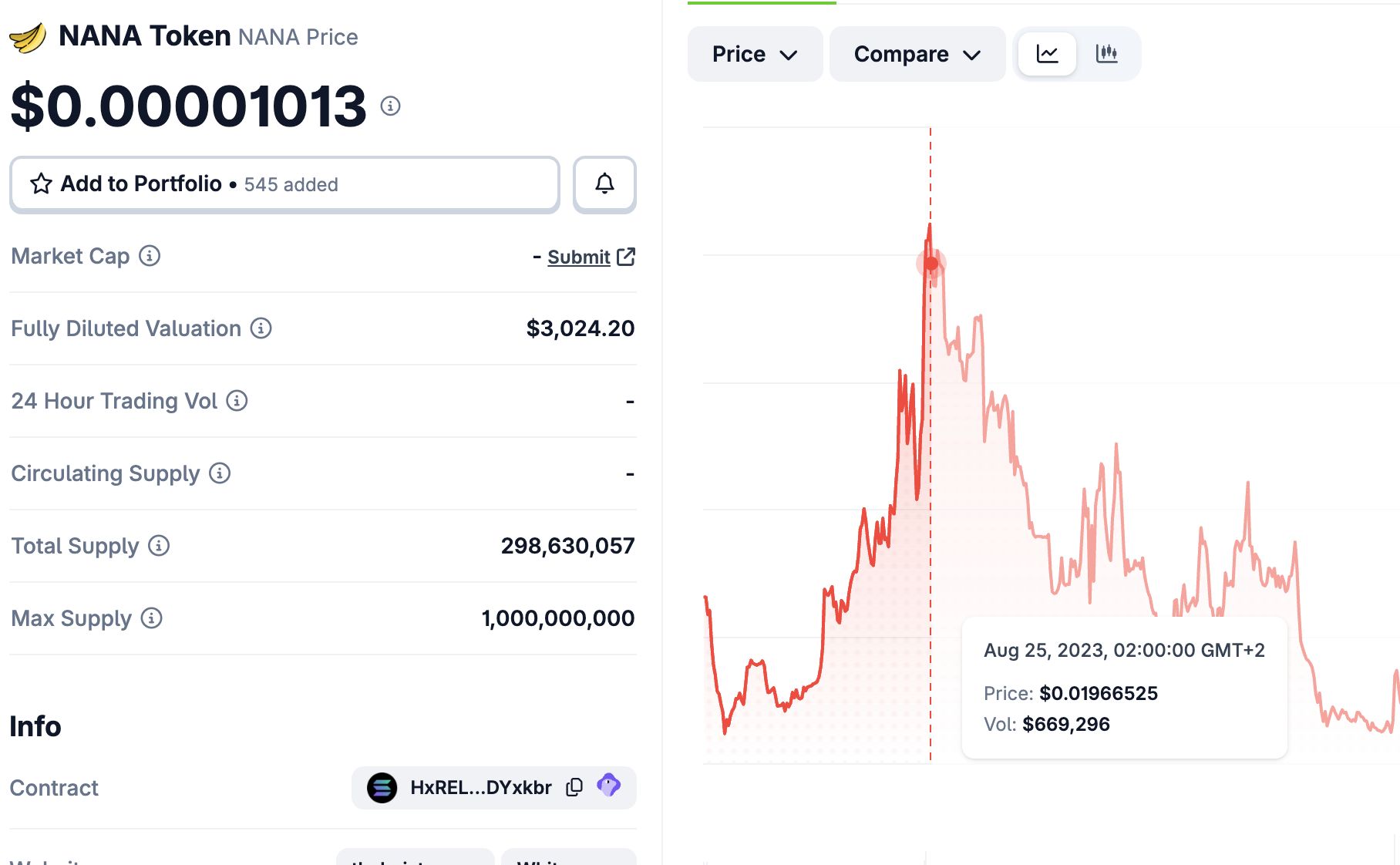
However, the rose-tinted goggles of the past remind us just how far Solana has come. In its heyday, The Heist was undoubtedly one of the biggest products on Solana. According to Magic Eden, the NFT Collection saw over 807k $SOL in trading volume, dominating the market for several months. 

Image3

At its peak, the game’s native token, $NANA, witnessed just over $616k in daily trading volume on August 25, 2023. Based on Blockworks historical data, Solana’s total DEX volume on this day was $19.6M, suggesting that $NANA trading activity captured 3.14% of all trading volume at the time.

Today, crypto game tokens like $KINS, which arguably have much smaller influence and impact than The Heist did in 2023, consistently record several million in daily volume. These games are already objectively much bigger than the onchain games of the past in terms of activity and volume, but the scale of Solana’s incredible growth in other verticals has meant the gaming sector appears comparatively small.

Gaming Sector Defies Foundation President’s Eulogy

Led by applications like Kintara and FarmTown, the surge in crypto gaming popularity directly defies comments made earlier this year by Solana Foundation President Lily Liu, who argued that ““gaming on a blockchain is not coming back”.

While the latest games captivating the sector are yet to prove out their longevity, user activity and trading volume suggests that crypto gaming is far from dead.

Read More on SolanaFloor

More RWAs are hitting Solana

€1.8T AUA WealthTech Firm Allfunds Brings Tokenized Funds Onchain to Solana

What’s the Deal with Solana and WSOP?


Solana Weekly Newsletter

Tags


Related News